How to Clean Your Pillows

Have you ever taken a good look at your pillows without the pillowcases? It’s probably not a pretty sight. Things like sweat, skin and hair oil, and drool (you know who you are) can all lead to unsightly brown and yellowish stains that make your pillows look nasty. However, your pillows are also home to things like dead skin and dust mites. Yuck!
Tips on how to clean your pillows effectively

So, while you might think cleaning your pillowcases and protectors is enough to keep things sanitary, you need to think again. Here, we offer our home cleaning services tips on how to really clean your pillows.

Why bother cleaning pillows?

Well, we understand why you might be asking this question. The thing is, though, every night you spend about 6 to 8 hours where you leave behind all kinds of residue even if you’ve just taken a shower. All of the stuff your body sheds and produces during sleep, from sweat to oils and skin to hair, add to an unsightly and not so healthy pile up of yuck.

So, while you might think pulling a crisp white clean pillowcase over the pillow makes up for all that buildup, it really doesn’t do as much as you’d think.

Do I have to wash my pillows whenever I wash my sheets?

Nope, you really don’t. However, you should be washing them at least twice a year. This is nothing in the larger scheme of things, and it helps you keep your pillows sleepably and cuddlably fresh. An easy way to remember when to clean your pillows is to do it every time you reset the clocks for Daylight Savings time.

How can I clean my pillows?

Here are our tips:

Washing Machine

Most pillows can actually be tossed right into your washing machine; just be sure to read the label before you do it. For example, if you have down pillows, you can, but if you have something like memory foam, you can’t. When buying new pillows, choose ones you can wash in the washing machine to make life easier. Follow these steps:

1. Always do two pillows at a time to avoid jamming the machine with too many while also keeping the machine balanced.

2. Add a small amount of your usual laundry detergent.

3. Although saving energy is good, in this case, go for the hottest water setting to kill germs.

4. Run the pillows on the gentle setting.

5. If your machine offers the option to run two rinse cycles, then choose that. If not, run the machine a second time without the detergent to make sure the detergent is completely removed.

The spin cycle should get out most of the water, but if you have different spin settings, then choose the highest to be safe. Otherwise, you might have to run the spin twice.

Removing Stains

First, let’s consider those gross brown and yellow stains. Don’t worry, everyone has them, so no need to feel like you’re the only one. Major stains require major cleaning power, and we recommend using vinegar first, as it is strong but natural. You can remove stains using the washing machine if your pillows are machine-safe following these steps:

1. When adding your detergent, add about 1/2 cup to 1 cup of vinegar. You can either put it in the fabric softener slot, or wait until the water is almost filled and add it then. Only use the vinegar for washing your pillows twice a year, as it can damage tubing if used too often.

2. Some machines have a cool setting designed for whites. It includes a soak that helps loosen stains. If you have a soaking option, be sure to use it to see the best results and add your vinegar at this stage.

3. After the first run, see how your pillows look. If they are still brown, you might want to run them through the cycle a second time. This time, you can consider using a laundry stain remover designed specifically for whites. Avoid bleach, as it can lead to issues with rashes or breathing troubles.

4. If the pillows seem too wet when the cycle ends, then run them through the spin cycle again to remove the excess water.

How to Dry Pillows

Drying pillows should be easy, but you should follow these steps to make sure they are dried thoroughly:

1. As mentioned above, if the pillows seem too wet, then run them through the spin cycle again to remove the excess water.

2. Use wool dryer balls to help keep your pillows fluffy.

3. Use the lowest setting and never put your foam pillows in the dryer even if the instructions say they are washing-machine safe. Down and feather pillows are best on air dry as opposed to low if you have that option.

4. Try running the dryer for about 30 minutes and check to see how the pillows feel. They have to be completely dry or else they can get mouldy and will also feel awful when trying to sleep.

If it’s a warm sunny day outside, then you can try laying them in the sun on your balcony. Only do this if you get sun though, as they won’t dry in the shade! The sun will give them a nice fresh smell naturally, while also helping kill any germs left behind.

What if my pillows are not machine washable?

For pillows that are not machine washable, read the label to see what is recommended. Most pillows should be safe to bring to the dry cleaners. You can look for a dry cleaner that uses eco-friendly methods to reduce chances of irritation.

If cleaning pillows sounds like too much work, then contact the experts at Maid4Condos. Our home cleaning services can take care of all your cleaning needs, including drool and sweat-stained pillows—no judgement!

14 Easy Kitchen Appliance Cleaning Hacks

If you cook at home, chances are your kitchen appliances tend to get pretty dirty. Unless you are obsessed with achieving a Monica Geller level clean, appliances often fall off the end of most people’s cleaning lists. However, they are probably one of the most important things to clean since you use them to prepare and store food.

Easy Kitchen Appliance Cleaning Hacks

Here we offer 14 kitchen appliance cleaning hacks to keep your appliances food-safe.

1. Miraculous microwave cleaning hack

Microwaves are notorious for exploding overflows. Since it is so easy to cause something to explode or overflow in the microwave, you might not even notice a crusty or greasy buildup on the inside top of this time saving device. However, you can make short work of even the crustiest messes with this easy method:

  • Fill a medium microwave safe bowl with a cup of water and 4 tablespoons of vinegar or lemon juice. For extra messy jobs use a teaspoon of liquid dish detergent.
  • Place the bowl in the microwave and set it for about two minutes.
  • Allow the water to steam, but keep an eye on it so it doesn’t boil.
  • If it does start to boil, stop the timer.
  • Let the bowl sit in the microwave for another few minutes allowing the steam to loosen the grease and crust.
  • Open the microwave, remove the bowl and use a clean cloth to remove the goop.

If anything is still stuck, you can use the water solution to damp the cloth and wipe away the mess.

2. Clean that microwave plate

A good rule of thumb to keep your microwave plate clean is to give it a wipe after every use. It just takes a second and it will remove any drips or drops of condensation from the container.

3. Clean milk and beverage containers

Before placing milk cartons and other beverage containers back in the fridge, wipe them down with a paper towel. This will reduce the buildup of old milk and sticky juice drips from the spout.

4. Clean the fridge when it’s getting empty

To avoid the hassle of taking food out of the fridge to clean, watch for opportunities when your fridge is running low. A good time to do it is prior to grocery shopping so you can also clean out all the expired foods and know what needs replacing.

5. Take out fridge shelves and drawers

Even glass shelves should be removable. The best clean requires you to get the shelves and drawers out so you can soak them in the sink and get at them with a safe cleaning solution and warm water. For stains, try using an ammonia solution with 1 part ammonia and 5 parts water and leave the shelf to soak for a while. Let them air dry.

6. Make sure to wipe down fridge walls

While your shelves and drawers air dry, use hot water with liquid dishwashing soap and a clean cloth to wipe down the inside walls and base of your fridge.

7. Use baking soda or coffee grounds

Once you put everything back in the fridge, place an open box of baking soda or an open jar of ground coffee at the back of one of the shelves. This will help keep the fridge smelling fresh.

8. Get rid of veggie smells

Veggie drawers can produce unpleasant smells even when the produce is fresh. A good hack here is to crumple up a paper bag or sheet of newspaper and place it in the drawer to help absorb the damp.

9. Use vinegar to clean the dishwasher

This hack can be done about once a month. It helps remove food from the pipes as well as cleaning all the walls and racks. Take a cup of white vinegar and pour it into a dishwasher- safe container. Place that container on the upper rack and then allow the dishwasher to cycle through the hot water setting. This will help remove odours and clean the system out.

10. Baking soda paste for stove tops

If you have a glass stove top you know how frustrating it can be to keep it clean. An excellent hack is to make your own DIY cleaner using baking soda and vinegar or lemon juice. Add a few drops of vinegar to a spoonful or two of baking powder to create the paste. Then apply the paste to the areas that need a good scrub. Let it sit for about 15 or 20 minutes and then scrub it off. Rinse with soap and water and you should be pleased with the results.

11. Handy vinegar spritzer

Take a proactive approach to keeping your stove clean by keeping a mix of vinegar and water in a spray bottle nearby. When you’re done cooking, spritz the stove top and wipe it clean. This avoids those crusty chunks from getting stuck on the surface.

12. Greasy gunk hack

For a grease free stove, sprinkle the top with baking soda in greasy areas and drizzle a small drop of hydrogen peroxide on it. Let it fizz and then lift the greasy mess off with a spatula.

13. Stainless steel smears

You love those stainless steel appliances but hate trying to keep them clean. They are constantly covered in finger smears and many cleaning products just make it worse. However, this DIY cleaning product is found in almost every kitchen: olive oil.

First, dry your appliances with a clean cotton cloth and then dip the cloth in a bit of olive oil. Rub the cloth over the steel surface paying attention to the grain. You want to follow the grain as you wipe to get the best results. Be sure not to use too much and your appliances will gleam.

14. Kettle cleaning hack

The inside of your kettle can get pretty dirty thanks to mineral buildup from water. A natural cleaning trick is to fill your kettle to the ¾ mark half vinegar and half water and let it soak for an hour. Bring the kettle to the boil, then dump the mixture out. Give it a good rinse and you’re good to go.

If you want to find out more about cleaning kitchen appliances, and general condo cleaning, call Maid4Condos at 647-822-0601 or contact us here.

9 Ways to Keep Your Shower Sparkling Clean

Oh, those annoying showers. You need to use them every day, but they seem impossible to keep clean. It takes plenty of elbow grease and when you put it off it is even harder to tackle the dirt. Showers are prone to all kinds of buildup from soap scum to mildew and grime to scary mould. If you feel you are losing the endless battle to keep your shower sparkling clean here are nine cleaning tips to help.

Tips to keep your shower sparkling clean

1. Understand what you’re up against

Sometimes it helps to understand why your shower gets so dirty. Although you might think the soap and shampoo you use to clean your hair and body wouldn’t be the cause of your shower dirt woes, they are the very thing that starts it all. Along with your dead skin cells and body oil, all of these things work together to create the perfect storm of very unsightly, not to mention unhealthy, buildup. You also might be contending with minerals found in water which leave that grey film around the tub or on your shower stall tiles. All of these things require regular cleaning to keep your shower from becoming a host for germs and bacteria.

2. Use a squeegee

The best way to avoid having to scrub down your shower is to take a more proactive approach to keeping it clean. Your goal is to remove as much of the daily soap scum that can build up over time. The easiest way to do this? Buy a small shower squeegee. After each shower use the squeegee on the walls and shower door to wipe everything off. You can then give the squeegee a quick rinse and you’ll find your cleaning time is reduced from weekly to monthly.

Because the steam of the shower and the soap and water on the walls and door are easy to wipe down, you don’t even need a cleaner. If you have a tub, make sure you drag the squeegee down to the rim and pull it across the surface.

3. Create your own DIY spray

If you aren’t so keen on the squeegee idea or want to enhance the effectiveness of the squeegee wipe-down idea, keep a spray bottle of your own DIY eco-friendly cleaner in the shower. After each shower, do a quick spritz of the walls, shower curtain or door and it will help keep the scum buildup to a minimum.

Vinegar and water are a good choice for glass or lemon for tile, not to mention a nicer smell. It takes a cup of water, ½ cup of lemon juice or vinegar and a dash of dishwashing liquid. You can even add some drops of your favourite essential oil for a clean, relaxing scent when you shower.

4. Improve air ventilation

Luckily, condos require fans in the bathroom. If, for some reason you don’t have one (maybe you live in an older building) leave the door to the bathroom open, if you can, so you reduce moisture that can contribute to mildew and mould growth. If you have a bathroom window you can crack it open as well. Keep your fan running for at least 30 minutes or keep your door or window open until the moisture has had time to dissipate.

5. Wash glass shower stalls with vinegar

If you have a glass shower stall or door, vinegar is an excellent cleaner for soap scum – and also kills bacteria. As above, you can use it on the glass surfaces for major cleans instead of after each shower. Spray it on, let it sit on the glass for about five minutes and then wipe the walls down with a soft cloth. You’ll see a real sparkle to your glass using this method.

6. Use dryer sheets

If you find your shower door or glass walls always seem to have water drop marks, a good solution is to wipe down dry walls with a dryer sheet. Collect the dryer sheets you use in your laundry loads and reuse them to clean the doors. Just use them as you would any cleaning cloth. It does take a bit of elbow grease sometimes, so you might find you prefer using a window cleaner and cloth instead.

7. Attack the real dirt now

We understand how easy it is to get too busy to clean. However, this becomes a habit and the next thing you know you are cringing from the ick factor of facing that dirty shower every day.

The best thing to do is tackle the real dirt now because it can only get worse. This calls for a cleaning product made for bathrooms with the cleaning power to remove that buildup. You can try a scrub-free brand but chances are with the real dirt buildup, this won’t cut it. Remember: Procrastination is the number one enemy of clean bathrooms.

8. Use scrub-free products

Another good proactive approach is to use a scrub-free product on your shower every few days. This allows you to spritz it in the shower and let it work until your next shower. Make sure no one will be using the shower right after you though, or it will be rinsed off before it can do its job.

9. Trusty toothbrush

Save your old toothbrushes to tackle those corners where soap scum tends to build up. When you are doing your more thorough monthly scrub-down, this will help make short work of the debris that lurks along the tub line and in the corners. It also is the ideal tool to get in between the grooves of your shower door.

Using these tips will help you keep your shower clean and make it easier to complete those monthly, major deep cleans.

If you want to find out more about shower cleaning, call Maid4Condos at 647-822-0601 or contact us here.

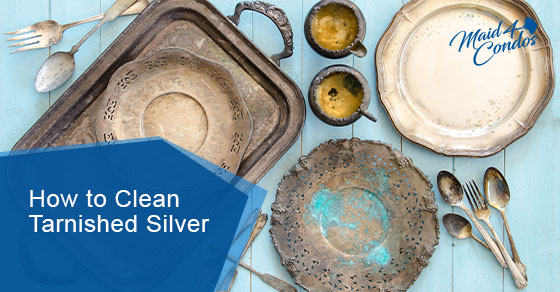
How to Clean Tarnished Silver

While your silverware might be your pride and joy, it comes with some responsibility. Whether it is a cherished wedding gift, something you purchased yourself or a family heirloom passed down for generations, silver has a tendency to tarnish over time.

Tips to clean tarnished silver

Since silver is an asset, you want to do your best to bring out its natural beauty. The more ornate the design, the more difficult it can be to polish. Here we offer our pro tips on how to clean tarnished silver.

Avoid Old Wives’ Tales

First be careful not to fall into silver polishing tips that tend to be old wives’ tales including:

  • Toothpaste as a polish: Many people recommend using toothpaste to safely clean silver since it is abrasive enough to clean plaque but gentle enough for human use. However, the keyword here is abrasive. Silver is quite soft and easy to damage. If you use too abrasive a cleaner like toothpaste, you can do more damage than good. However, if you want something that doesn’t have a strong smell and is easy to clean from your hands – and if your silver is only slightly tarnished and is not just silverplate – you can choose a whitening toothpaste to provide a respectable clean without the harsh chemicals. For silverplate or heavily tarnished pieces, the extra force required to remove the tarnish could lead to scratches.

  • Hubcap Cleaner: This is more likely a tip handed down from grandpa as opposed to grandma. Not to be misogynistic, but not many wives of days gone by would think of hubcap cleaner as the best way to clean their precious silver. This is a super aggressive cleaner that actually will make short work of tarnish. But it will also take away the charming patina and could lead to discolouration or uneven splotching that will ruin your silverware. Also, this is really not recommended for silver you’ll eat off because who knows what chemical residue it might leave behind?

Consider Natural Polish

As mentioned above, especially for silverware you will use to serve and eat food, finding a natural solution might be appealing. A few DIY options include:

  • Lemon Juice and Baking Soda: A paste made from lemon juice and baking soda can be very effective. Oxidation that causes tarnish can be removed with this DIY solution but keep in mind, it won’t get the shine of other polishes. So while it does remove the tarnish, it won’t act like a polish to bring back that sparkle. It’s also quite abrasive so the temptation to scrub in hopes of getting a sheen could lead to scratches.
  • Cornstarch: A paste made from cornstarch and water can be applied to silverware and then wiped away with a damp cloth to get a very impressive shine.
  • Vinegar and Baking Soda: Instead of creating a paste with this combo, you can mix half a cup of distilled vinegar with two tablespoons of baking soda and soak your silver in it for three hours. Remove it and rinse the solution off, then wipe it all down with a soft, clean cloth.
  • Aluminum Foil, Baking Soda & Hot Water: This might sound a little whacky but this is the lazy person’s silver cleaning trick. You simply place a sheet of aluminum foil, shiny side up, in the bottom of a pan and add enough water to cover your silverware with one teaspoon of baking soda and one teaspoon of salt. Bring it to a boil and then place your silverware in the pan and let them soak in the boiling water for about two or three minutes. Remove them with tongs so you don’t get burned and then rinse them with water. Dry them off and use a soft cloth to give them a buff.

    If you don’t like the idea of leaving your silver in boiling water you can line a casserole dish or shallow vessel with aluminum foil or actually use an aluminum foil disposable pan, sprinkle it with a fair amount of baking soda, add your silver and then pour boiling water to cover everything. Once the water cools, you can rub the silver clean with a cloth.

Store-Bought Polishes

It makes sense that store-bought polishes specifically made to clean silver would be your best bet. So if you aren’t set on using something less chemically, like lemon and baking soda, for overall shine and tarnish removal this is your best bet. The only thing with prepared polishes is that over time you actually remove tiny levels of silver from the piece.

However, if you can find it, Tiffany brand silver polish is the best. It removes the brownish tarnish and protects the silver from wearing down. Another option is Wright’s Silver Cream. Just be prepared to apply more elbow grease to see the shine if you choose Wright’s.

Hand Sanitizer

Although hand sanitizer is kind of a hot commodity thanks to COVID, if you think you can spare some, it can help get tarnish off in a snap. It’s the alcohol that helps break down the tarnish and you actually get a respectable sheen when you’re done. Use a soft cloth to wash it off and you’ll be quite pleased.

Bottom Line

Overall, the easiest and most effective solution turns out to be the baking soda, water and aluminum foil trick. It takes far less effort, uses no harmful chemicals and gets excellent results that would make grandma proud. It’s also the easiest way to tackle a whole slew of silverware as opposed to polishing a single pair of candlesticks.

Plus, if you want to avoid tarnish, make sure you are storing your silverware properly, in a drawer or chest lined with tarnish-resistant flannel. If you don’t have access to such a fancy setup, you can also individually wrap each piece in acid-free tissue paper, silver cloth or unbleached cotton muslin and then store it in a sealed container or zip-top plastic bag.

If you want to know more about silver cleaning and cleaning services Toronto, call Maid4Condos at 647-822-0601 or contact us here.

13 Tips for Cleaning Windows Like a Pro

Condo living is meant to be low maintenance. However, that doesn’t get you off the hook for keeping your own unit clean. Condo cleaning Toronto residents require can be particularly tricky when it comes to windows. Especially if you don’t have a balcony or you’re 40 floors up! But the good news is, you can still keep your windows sparkling by using these 13 tips to clean them like a pro.

Tips for Cleaning Windows Like a Pro

1. Dust a little first

To make sure you aren’t sidetracked by the dust and cobwebs on the glass, sills and frames, be sure you start by dusting everything down. This is a must before you get into the nitty-gritty of cleaning.

2. Use the right tools

You might think you need a squeegee for streak-free windows but the trick for DIY window cleaning lies in using the right tools for you. In this case, we recommend the trusty clean microfibre cloth. While squeegees do reduce streaks, they really only work if you use the right technique. Otherwise, you end up with streaks despite your efforts. That’s why we recommend a microfibre cloth. It provides more control so you can wipe away the streaks and you won’t get those little pieces of lint that paper towels can leave on the glass. Also, squeegees tend to make a mess on the floor and/or window sill as they don’t absorb the excess cleaner like a cloth.

3. Choose a cloudy day

Not rain, just cloud. Rain on the windows makes it impossible to tell if you are cleaning properly. Sun can also make it difficult to work. Not only is it too bright but it is also too hot. The heat will actually cause your cleaning solution to dry too fast, leaving streaks. Cloud is ideal as you can see the dirt and not have to contend with the glare. It also keeps the windows cooler.

4. DIY your cleaner

While there are common household cleaners and specific window cleaners available, when it comes to that perfect clear window, a DIY cleaner is your best choice. They are cheap but also don’t contain harsh chemicals that can be harmful to breathe in. The best solution is the old standby:

  • 2 cups of water
  • 1/2 cup white or cider vinegar
  • 1/4 cup isopropyl alcohol with at least 70% concentration

Place it in a spray bottle and you’re good to go.

5. Always spritz

Don’t use a bucket or bowl full of your cleaning solution to dip your cloth in. Instead, always spritz the windows with a spray bottle. This allows you to control the cleaning solution and avoid having too much on the window. However, it also provides a clean spritz as opposed to sloshing the dirt you just removed straight back onto the windows.

6. Remove the cleaner

Use your cloth to wipe down the windows, watching for streaks. You can rub away streaks easily with the cloth so you leave nothing behind but a pristine shine.

7. Outdoor windows with a balcony

If you have a balcony, you’ll be able to get an even clearer view. While the indoor clean does make a difference, the outside is always far dirtier. When cleaning outside, never try to reach over the balcony to get at other windows in your unit. This is just plain unsafe.

8. Start outside

Always start with your outside windows first so you can get a better idea of what dirt is inside when you do your final clean. Use a separate cloth for inside and out, as your outside cleaning is going to get quite messy. You don’t want to rub that all over your inside windows.

9. Abrasive cleaners for outside challenges

As mentioned, your outside windows are going to be much dirtier. This can include everything from bird poop to unknown greasy spatters. For these jobs, you might need a more abrasive cleaner so consider a mix of vinegar and baking soda for the job. Remove all of these prominent stains first or you’re just going to be spreading the dirt over the glass as you work.

10. Squeegee for full-length windows

While we didn’t recommend the squeegee, if you have full-length windows such as sliding patio doors, it might be the better tool, especially for outside work. Once you remove major stains and grime outside, use your DIY cleaner with a thorough spritz and squeegee the window top to bottom.

11. Final wipe

A final wipe with your microfibre cloth will make short work of any streaks you left behind with the squeegee.

12. Windowsills

Always do the sills last so you can wipe away any of the drips from the window and spray bottle. Just be careful not to cause streaks on the window while you work. Try to get into the rails where the windows run along to open and close them, as this tends to get pretty grimy.

Be careful when you see anything that seems to be in tiny clumps and black, as this can be mould. If you do notice something like this, spray it with bleach first to let it kill the mould. This will prevent the spores from puffing in the air when you touch them. You might also want to wear a mask to be safe.

13. Screens

If your windows open (not all high-rise condo windows are operational) carefully remove the screens and give them a good wash. If they are large and cumbersome, consider rinsing them down in the bathtub. Smaller screens can be rinsed in the kitchen or laundry sink if you have one in your unit.

If your motto has always been “I don’t do windows” these tips will change your mind. However, if the idea of cleaning windows is still unappealing, the team at Maid4Condos is ready to help. We can customize our services to suit your needs and can get those windows sparkling clean.

If you would like to find out more about window cleaning, call Maid4Condos at 647-822-0601 or contact us here.

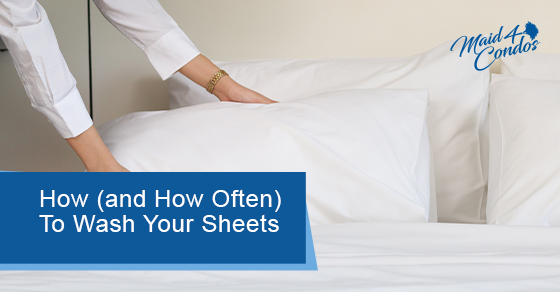
How (and How Often) To Wash Your Sheets

Considering you spend about eight hours each night in your bed, you’d like to think that the bed is clean. However, many people overlook the importance of cleaning their sheets and bedding on a regular basis. The thing is, your bed is filled with all kinds of unpleasant things including dead skin cells, sweat, oils, and out and out dirt dragged in from your feet.

How to Wash Your Sheets (and How Often)?

The less often you wash your sheets the more of this stuff there is in your bed. We’re talking about serious allergens and irritants that are not only yucky but also bad for your health. Not quite the bed partner you dream of we imagine. With this disturbing thought in mind, here is how, why, and how often you should wash your sheets.

Why wash your sheets?

Clean sheets reduce the amount of debris in your bed that can actually make you sick. All that body oil, sweat, and dead skin in hand with the dreaded dust mites, dead and living, are breathed in the night after night while you sleep. It’s pretty sci-fi when you consider your bed is filled with microscopic dust mites that pretty much everyone is allergic to in some way.

While they aren’t biters or even remotely noticeable compared to say bed bugs, they still are living little critters you ideally want to reduce in numbers as much as possible. Plus, along with the multiple hundreds of thousands of dust mites, your dead skin cells – which by the way, are what dust mites eat – can trigger other symptoms like contact dermatitis. So more ew, and ew, which really means one thing: Wash your sheets.

How often should you wash your sheets?

Wait for it – you actually need to wash your sheets once a week. Yep, we thought that might surprise you. And it gets worse. If you have a pet that tends to sleep with you, you’re looking at it twice a week. If you have breathing issues like asthma or allergies, it’s more like every few days if you want to reduce your symptoms. Sweaty nights in the summer? Every day or two. Seasonal allergies? The same. So if you want to have those crisp, clean sheets like mom (or maybe grandma) always had, read on.

How should I wash my sheets?

So since your sheets are clearly gross, you now have an incentive to wash them often. To get the freshest, cleanest sheets possible follow these steps:

  • Check for Stains: Sheets can have stains caused by blood, sweat, and let’s throw in tears, along with other things like lotions and makeup if you’re too tired to wash your face before bed. So check for stains and pretreat them with a stain cleaner before you toss them in the washer.
  • Follow Instructions: With any luck, you might have a label on your sheets that tells you how to wash them. Different materials need different care. While today most of the sheets you buy will tend to be cotton or a cotton blend, you might have sheets that are polyester blends. These sheets need warm water, while cotton needs hot water. In general though, to kill those dust mites and other possible germs, the hotter the water the better. Just check the label to make sure there isn’t some kind of instruction saying cold.
  • Wash with Like Colours: Hopefully, when you do the laundry you separate the colours. Do the same with your sheets to avoid colours running or ‘bleeding’. Darks with darks, lights with lights.
  • Respect Your Allergies: If you tend to have sensitive skin or other allergies, keep in mind many detergents and dryer sheets, especially ones with those pretty fragrances can irritate your symptoms. While the idea of those fresh scents like “dreamy breeze” seems cleaner, a fragrance-free detergent and dryer sheet get your sheets just as clean sans irritation.
  • Dryer Setting: Living in a condo, chances are you can’t hang your sheets out to dry. Make sure you follow the instructions on the best setting for your sheets when you put them in the dryer.
  • Iron them: Yeh, it’s a pain and added step, but an important one. The heat of the iron provides that one-two punch to wipe out any remaining germs that didn’t get taken out in the washer and dryer.

These steps will keep your sheets fresh and clean. A good tip is to invest in at least one other set of sheets so you can rotate them.

How do I wash my other bedding?

Good question, since those comforters, pillow shams and other bedding can get dirty too. The good news is, these layers tend to be exposed to less “soiling”. But you still want to clean them once in a while. We always recommend you invest in a duvet cover because you can easily remove it and toss it in the laundry along with your mattress cover and pillow shams.

Some fancier pillow shams might have special washing instructions so be sure to read the label. Items such as blankets and duvets/comforters should be washed every few months or at least four times a year on the seasons. Thicker duvets or those filled with down require dry cleaning, so again read those labels!

Can I keep my sheets cleaner between cleans?

Yes, there are a few things you can do to keep your sheets fresher for longer including:

  • Always remove your makeup at bedtime
  • Avoid slathering yourself with lotions and moisturizers at bedtime
  • Never eat or drink in bed
  • Don’t let your pets sleep on the sheets, instead make them sleep on their own cover
  • Brush your feet off before you get into bed to remove crumbs and debris

These little tips will help keep your bed cleaner.

One Last Tip: Mattresses and Pillows

While clean sheets and pillowcases are always nice, don’t forget your mattress and pillows. The smaller debris found on your sheets can shake right through to your mattress. This includes your pillows where things like drool and sweat can also cause issues. First, make sure you use pillow protectors and a mattress cover that you wash along with your sheets. Next, vacuum, yes vacuum your mattress during your cleaning routine to remove debris, allergens, and dust mites.

Looking for residential cleaning services? Contact us!

For more information about residential cleaning in Toronto, call Maid4Condos at (647) 822-0601 or contact us here.

Should I Clean My Houseplants?

You’ve got enough to worry about when it comes to cleaning your condo. Do you really want to add another cleaning job to the list? The truth is, cleaning houseplants might sound ridiculous but it really helps keep them healthy.

Is It Necessary to Clean My Houseplants?

Clean houseplants look greener and healthier. However, they actually are healthier because they aren’t smothered in dust. Here’s why you should clean your houseplants with tips on how to keep them green and thriving.

Why clean houseplants?

Your houseplants have a ton of unwanted residue on them from the moment they arrive in your home. Unfortunately, most greenhouses use all kinds of things to keep their plants “healthy” until they go to the retailer. This includes pesticides and “cleaners” but even something as simple as dirty hard water that might drip on them from condensation or leaks in the greenhouse roof.

So why is this a problem? The hard water contains tons of minerals that lead to those spotty whitish marks on your plant’s foliage. A good wipe of the leaves removes that gunk and allows your plants to breathe.

Once your plants settle in, your own home contributes to their tribulations. The biggest culprit is dust. Dust makes it difficult for your plants to “respire”, their form of breathing shall we say. Also, indoor plants can still get infested with bugs such as aphids and white flies. These nasty little creatures secrete a sticky substance that usually contains eggs. You really want to wipe this away or else your home will be a mess of tiny flying insects that will drive you insane. But most of all, clean plants just look prettier, greener and happier.

DIY Houseplant Cleaner

Now that you know why you need to clean your houseplants we can get to the how. We recommend using this DIY houseplant cleaning concoction that is healthy and won’t cause harm to you or your plants:

  • 1/2 – 3/4 cup white vinegar
  • 1/2 gallon water (around 8 cups)
  • 5-10 drops of non-toxic dish soap

Shake it all up in a clean spray bottle and you are ready to go.

Steps to Cleaning Houseplants

Here is all the love and attention your plants need to look their best:

  • Dusting: Yes dusting! Your plants get a dusty build up just like the other surfaces in your condo. The good news is you can actually just use a microfiber duster to keep the dust under control. A light touch makes short work of the dust or, if you’re feeling extra tender towards your plants, you can use a soft damp cloth to wipe the dust away.
  • Shower: Well, not exactly a shower, but a nice spray of water will do. You can put your small plants right in the sink and give them a gentle spray once or twice a month. It takes off the excess dust nicely. Let the plants rest in the sink for a while before putting them back in their place.
  • The Cleanse: Using your spray bottle filled with DIY houseplant cleaner, spritz your plants and let it drip from the leaves. This removes the dirt. You’ll also want to lay down paper towels to catch the drops. If you have a balcony, place your plants out there and spray away.
  • Wiping Down Large Leaves: For plants with big leaves, soak a soft cloth in your DIY mixture and wipe each leaf down individually when they’re looking dusty.
  • Trim and Pluck: While you’re cleaning, give your plant a nice trim and pluck to remove dead, dry leaves. This encourages new growth while getting rid of the ugly yellow or brown leaves. Don’t forget to remove dead leaves from the soil.

One more tip: Always just let the leaves air dry when using water or your DIY spray cleaner.

How to Avoid Damaging Houseplants

There a few mistakes people make when cleaning houseplants that can lead to damage including:

  • Putting Wet Plants in the Sun: It might be tempting to move wet plants into direct sunlight to help them dry faster, but this can actually burn them.
  • Using Commercial Cleaners: Even if the product says it is good for “leaf shine” always stick to your own DIY cleaner. Otherwise, the commercial cleaners will clog your leaves’ pores so they can’t respire. You’ll also make your plants look like they are plastic which kind of defeats the purpose of having real plants.
  • Adding Shine: If your indoor plants don’t have a natural shine to them, avoid using tips you might find online like coconut or olive oil or mayo! It might work but honestly, this would never occur in nature, so it’s best to just stick to the regime we’ve covered here and let the leaves keep their natural look.
  • Fuzzy Leaves: Plants with fuzzy leaves, like African violets, don’t react well to spraying. Only dust these plants with a dry microfiber duster.
  • Night Cleaning: Although you have more spare time at night, avoid late-night cleaning for your plants. This is when they respire so you want to let them respire in peace.

How often should you clean your houseplants?

A good rule of thumb is to get into the habit of spraying your smaller plants regularly. For larger plants take a look when you’re doing the rest of your dusting and fit in a wipe down when they look like they need it. The good thing about houseplants is that you can usually do one good cleaning and then keep them pretty clean with regular dusting.

Remember, the whole soak in the sink thing is like a spa day for your plants, so it’s a nice treat for them once or twice a month. You can even place them in the shower for a nice natural “rain”, but only if you have a light flow adjuster so they don’t get pelted. Leave them in there to drain and enjoy the nice humidity. This is not recommended for cacti though!

Need help? Contact Maid4Condos

To learn more about professional cleaning in Toronto, call Maid4Condos at (647) 822-0601 or contact us here.

10 Reasons Why You Need to Get Professional Move Out Cleaning

Whether you are moving in or out of a home, you want to know that it will be spic and span clean. First of all, often when moving out, a professional clean is part of the terms and conditions of leases and offers. Second, if you are moving into a home, you really have no idea of how clean the former owners or tenants left the place. Professional move out cleaning tackles both scenarios beautifully. Here are 10 reasons you need to get a professional move out cleaning:

10 reasons why you need to get professional move out cleaning

1. It’s the right thing to do

When moving out, simply put, it’s just the right thing to do. You wouldn’t want to move into a home that wasn’t clean, so using the whole “do unto others” idea here will make you feel better about yourself. Also, even if you never see the people moving in, it will feel horrible knowing they think you were disorganized and inconsiderate because you left a mess behind. It’s all about karma.

2. You’ll feel better

When moving in, you’ll feel better knowing you have that move out cleaning freshness; this means you can settle in comfortably. Every corner of the home will be scrubbed and sanitized so you can feel confident preparing food in the kitchen, or taking a shower without encountering germs.

3. You can’t do it yourself

Even if you are cleaning obsessed (like Monica Green-level obsessed on Friends), you just can’t get the same quality of clean as one from a professional service. Also, you might not have time, even if you have every intention of cleaning yourself. Moving is a big job with packing and hiring movers, or renting a van. What if you run out of time? Your best bet is to hire the pros so you can worry about other things.

4. Stress free

Both from a move in and move out position, hiring professional cleaning services is stress free. You have the team come in either after you move out or just before you move in, and it’s one less thing to worry about on moving day.

5. It’s more efficient

Professional cleaners have the process down pat. They send in a team of trained employees who have a checklist they use to complete the job quickly and efficiently. They have the tools they need in hand with the safe cleaning products to tackle all messes so you can be confident the job is done to meet even the most discerning resident’s expectations.

6. Sell your home faster

It makes even more sense to arrange for a move out cleaning when you put your home up for sale. This way, everything is presented in the best possible light. Floors shine, grout is pristine, kitchen grime is completely removed, old worn out carpeting is steam cleaned to look new again, and windows and appliances sparkle. Your home will never look as good, and buyers will see it. A thorough cleaning also makes your home feel fresh.

7. Nothing is missed

As mentioned, your cleaning company uses a checklist, so nothing gets missed. You don’t want to receive phone calls with complaints once you’ve moved out. This can even lead to additional costs if your landlord or new owners decide you didn’t comply with terms. A professional cleaning company will do the job right the first time, so you never have to worry about it. Your cleaning will include:

  • General cleaning. This includes every room in the home, including hallways. It is the best overall cleaning you’ll ever see with every surface addressed to remove dust and dirt, vacuuming and all the buildup of grime and germs in the bathroom, including and especially the sinks, toilets, and tubs. These are all the key areas people worry about when moving into a new home.
  • Kitchen. The kitchen needs its own level of cleaning, including wiping down and removing stains from all the surfaces such as backsplashes, counters, cupboards, and floors. Things that tend to build up grease and grime will receive special attention, so everything looks as clean as possible. Inside the cupboard shelves are also cleaned to remove particles of food and other debris so people feel safe storing all their dishes and other items. Floors will receive a thorough cleaning all the way up to the baseboards, and walls are also wiped down with the proper cleaners to attack bacteria and grime.
  • Windows. Smudgy windows are a real turn off and interfere with sunlight filtering into the home. While the old joke is that cleaning companies don’t do windows, this is a must when it comes to your move out cleaning services.
  • Appliances. Dirty appliances really raise the ick factor when someone moves into a new home. A thorough cleaning of appliances both inside and out keeps them user ready while also making them shine. This should include not only fridges and stoves, but also microwaves and hood fans over the oven. All of these items can be extremely difficult to clean and need special attention to ensure the surfaces are hygienic for the new residents.

8. Smoke smell

Smoke from tobacco and marijuana can last forever in a home if not properly cleaned. A professional move out clean wipes down all surfaces that smoke odours tend to cling to. This includes walls, floors, and especially carpeting.

9. Pet mess

Another thing that contributes to odours is past pet messes. This also leaves unsightly stains that might have been hidden by area rugs and furniture. A thorough cleaning will tackle stains and past pet messes to help reduce odours and provide a cleaner appearance to the home.

10. Hidden messes

As mentioned above, once furniture and areas rugs are packed up and moved out, suddenly all the hidden messes you didn’t know were there become obvious. Move out cleanings are done when the home is completely empty, so every little detail is addressed.

Contact Maid4Condos

If you would like to hire a truly professional and thorough move out cleaning team, speak to Maid4Condos today.

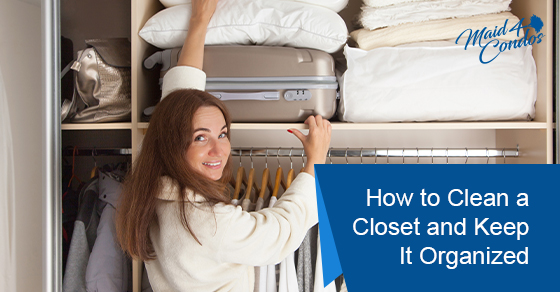
How to Clean a Closet and Keep It Organized

When you live in a condo, you might find that your closets seem to lack space. Often, this is because you either don’t have enough closets, have too much stuff, or aren’t optimizing the space. Regardless, you can take steps to make the most of your closet space. Here are some tips to clean your closet and keep it organized:

How to clean a closet and keep it organized

Prepare Yourself with the Right Tools

While it might seem strange to need tools to clean a closet, if you want to do it right, you will need:

  • Rags
  • A pail of warm soapy water
  • Vacuum or broom
  • Cleaning gloves
  • Dust mask
  • Trash bags
  • Laundry basket
  • Boxes
  • Matching hangers
  • Hooks and closet organizers
  • Marker/pen, paper, and tape

All of these items will help make short work of your cleaning project and help you get everything organized.

Empty it Out

A big mistake people make when trying to clean and organize a closet is that they try to do it as is. Instead, you first need to empty everything out so you can make a fresh start of it. Also, this is the only way you can clean all the surfaces and remove dust. This is where your dust mask comes in. Even though you keep the door closed, dust can accumulate on surfaces, on the floor, and on your stuff, so wear your mask to avoid getting an allergy attack!

Clean Away

Once everything is removed, it becomes easier to see the dirt. Put on your gloves and dip your rag in the water to wipe down the walls and shelves from top to bottom. Then, use a broom or vacuum to tackle the floors before you wash them with your mop. Pay attention to corners near the ceiling where cobwebs might be hanging. If there is a light, see if it needs an energy efficient bulb, and if there are any dead bugs in the lamp shade!

Get to Sorting

Now that everything is clean, it’s time to start sorting through your stuff. Use your laundry basket, boxes, and bags to organize everything. Label the boxes so you don’t accidentally throw anything out. The things you keep can be folded and placed in piles on the floor, while the trash bags are for garbage, and the boxes are for charity. Go through each piece and consider how often you wear it, if it still fits, if it is in fashion, and whether it is suited to keep, toss, or donate. As you work, group things that you wish to keep into their own piles by their category such as pants, shirts, sweaters, purses, shoes, and so on.

Put Away Your Clothes

Once everything is sorted, it’s time to put everything away. Hang up the items that need to be like blouses, dress shirts, jackets, suits, and dresses. You can get very organized and decide to sort by colour as you hang your clothes if you are so inclined. Items that go in drawers or on shelves should be neatly folded and placed in their proper area. This is a good time to consider if you could use a shoe rack or some form of storage for your shoes. Handy shoe racks come in hangable varieties, including ones you can hang on the inside of your closet door. Put the shoes you wear most often in the easier to access areas, and the others can be stored on a higher up shelf.

Use Organizers

At this stage, assess your closet and decide how you can make the most of the space. As mentioned in your list of tools, this might include things like hooks, or other forms of organizers like boxes or shelves. Consider if you can use wall space, have room to add more shelves, another rod, and so on. Some fun ideas include:

  • Place scarves on shower rings hung over a hanger so you can loop them through the rings.
  • Keep jewellery in clear pocket organizers.
  • Decide if some items might be best kept elsewhere like the bathroom, a dresser drawer, or your bedside table.

The key is to be creative and find new ways to use items, or better ways of using the space you have.

Clean Your Clothes

Anything you tossed in the laundry basket can now be put in the laundry or placed by the door for the dry cleaners. Ideally, you can get the laundry done the same day, so you can assess your space again once it is put away.

Take Your Giveaways to Charity

Don’t put off taking your giveaways to your local charity. The sooner you get it out of your home, the less chance there is for you to have a change of heart. The goal here is to downsize, and deciding to keep things you had slated to toss is a step backwards. Consider asking friends if they’d like first dibs on items you are giving away. Another idea is to have your best items dry cleaned and then post them for sale on a site like Posh. It’s a great way to make a little money on the side.

Have a Plan

Once everything is organized, have a plan so it can stay that way. This should include:

  • Schedule regular laundry days so you avoid a major pile up.
  • Always put your laundry away as soon as you take it out of the dryer.
  • Invest in more hangers if you find that you are running short.
  • Get into the habit of placing dirty clothes in the laundry hamper instead of on the floor.
  • Keep clothes that need dry cleaning near the door in a laundry bag so you can take it each week.
  • Remember to sweep inside your closet when you are sweeping the rest of your condo.

Contact Maid4Condos

These steps might be hard to stick to, but if you have a plan, you are more likely to keep your closet organized. If you would like help, at Maid4Condos, we cater to all your Toronto condo cleaning needs to keep everything neat and organized. Reach out to us today.

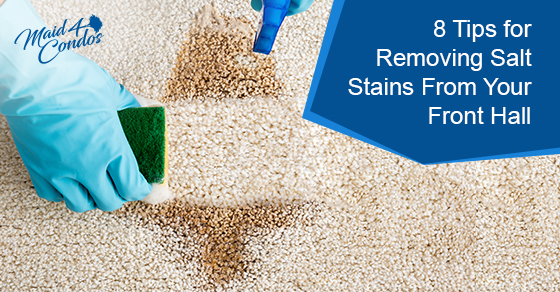
8 Tips for Removing Salt Stains From Your Front Hall

It can be hard keeping the slush, snow and salt of winter out of your front hall without using condo cleaning services. Wet boots and pets track in salt from the street that can wreak havoc with your floors and carpets. If you are sick and tired of trying to remove the mess of winter from your front hall, use these eight tips to keep things dry and salt-free.

8 tips for removing salt stains from your front hall

1. Use a “welcome mat”

If your condo allows, place a welcome mat outside your door to wipe your boots off before you walk into the home.

2. Five steps of foyer matting

In your foyer place a winter mat that provides at least five steps’ worth of space. This allows you to walk into the front hall without stepping onto your carpet, laminate or hardwood. You can then wipe your feet off before removing your boots. By wiping as much of the salt and slush residue off your shoes and boots as possible, you can reduce runoff as the snow melts.

Be sure to choose a mat designed for this purpose. These mats use a material ideal for scraping, while also offering safety underfoot with antiskid backs. They aren’t necessarily pretty but they serve the purpose. If you are ultra-sensitive about keeping your home looking snazzy, consider using an outdoor area rug that can provide a punch of colour, while also doing the job of absorbing the mess. Good outdoor area rug materials include wool, sisal, seagrass, hemp and polypropylene.

3. Use a boot tray

Next, keep a boot tray designed specifically for winter footwear right at the door. Once you wipe your feet, take your boots off and place them in the tray. Boot trays are designed with a lip – and often ridges – to help allow the snow and slush to melt and then keep the melt from running off the tray or staining your boots and shoes.

4. Use a winter rinse floor cleaner

This is a special formula that can be harder to find if you don’t use condo cleaning services. Your best bet is to check hardware stores or search online to order it. This is the only solution you can buy to target the salt stains left behind from melting snow. Be sure to choose one suitable for your floor type. The right winter rinse will break down salt deposits, without leaving behind a residue to dull floors.

5. Wipe floors often

Keep a handy floor cleaner ready at the door to wipe up any splashes right away. This helps you keep on top of the cleaning and removes salt before it can set in. Products like Swiffer can work well as you can do a quick spritz and wipe away the mess. Just be careful about the “grit” as it’s hard to spot the salty residue but it’s easy to feel it. The gritty feel can damage flooring, so if you do have hardwood or laminate, first sweep gently to remove grit and then use the Swiffer gently to avoid scratches.

6. Salt stains on matting

If you notice your mats are getting gritty and stained, you should give them a clean too, otherwise, you can track the salt into your home. Winter rinse products are usually okay for use on carpets too. However, you’ll actually need a wet/dry vacuum to use on carpeting or mats. This is a messy job and most people don’t have such a fancy cleaning machine if they live in a condo. If this is the case, be sure to at least vacuum your mats regularly to suck up any salt that might get tracked in.

7. Pet safety

If you have pets, keep in mind that salt and ice melt products can be very harmful if pets eat them. Try to find a place in your closet to keep your boot tray and shoes so there is less risk of them licking or chewing at them and getting residue into their systems. It is also equally important to keep carpets and floors as clean as possible with frequent wiping and cleaning if you have pets.

8. Professional cleaning

If you have wall-to-wall carpeting, you should arrange to have a professional cleaning once spring arrives. The salt and other ice melt products can get into the air which is not really healthy to breathe. A good cleaning will extract the residue and leave your home feeling fresh and your carpets softer and cleaner.

For help removing salt stains from your front door, call Maid4Condos at (647) 822-0601 or contact us here.