5 Tips for Thoroughly Cleaning Your Oven

It can be easy to forget to clean your oven. Then one day you turn it on, and bam, smoke or stink city. Cleaning your oven is a dirty task, especially if you don’t have a self-cleaning feature. However, with regular cleanings, the job becomes easier. Here we offer five tips for thoroughly cleaning your oven.

How to clean your oven thoroughly?

1. Baking soda

Baking soda is a naturally abrasive cleanser that is safe to use on a long list of surfaces. Because oven cleaning products are so strong and toxic, you might try using baking soda first. This way you can get a good cleaning but avoid breathing in those strong chemicals.

Baking soda can also make short work of the greasy, grimy build-up common to ovens. To tackle cooked-on grime, make a paste of baking soda and water or lemon juice. Remove the racks from your oven and lay down newspapers below the oven to catch any gross glop that drips out as you clean.

Put on some gloves and then spread the paste all over the inner walls and bottom of the oven, being sure to avoid the electric heating elements and flame openings for gas ovens. Let it sit overnight and then put your gloves on and use a damp cloth to scrub away the paste. Use a clean cloth to rinse the oven clean.

Meanwhile, soak your racks in warm soapy water so you can tackle them next. Use your paste mixture to scrub away sticky grease with an abrasive sponge and then rinse the racks down. Place your racks back in the oven and you’re done.

2. Lemons

Lemons are another natural miracle worker as a refreshing cleaning alternative. Squeeze out the juice of two lemons into an oven-proof dish filled with water. Preheat your oven to 250 degrees and then place the dish in the oven to cook for an hour. Turn the oven off then open the door to let it cool down. You want it to be warm to the touch, but not so hot you can burn yourself. Remove the dish and set it aside. Take out the racks and then with a damp cloth, scrub the inside of the oven. After that, tackle the oven racks using your warmed lemon water and an abrasive sponge. Let the racks dry and then place them back in your lemony fresh oven.

3. Oven cleaner

If you are okay with using traditional, chemical oven cleaners, it’s probably the best solution. It’s made specifically for all that baked-on grime that can be very difficult to remove. Follow the instructions of the package, but add these additional tips. Remove the oven racks and lay down newspapers around the oven before you start spraying. This will keep your floors clean. This is seriously stinky, dangerous work so gloves, a mask and goggles are called for.

Use the spray on your oven racks and then seal them up in a garbage bag while the oven is prepping. Wipe down the interior of the oven with a clean damp cloth, removing all of the cleaner residues. Take the racks out of the bag and scrub them with an abrasive sponge, then rinse them down thoroughly before placing them in the oven. You really want to get any residue of the cleaner rinsed as it stinks when you turn the oven on for the first time.

4. Clean the glass door

Nothing is grosser than looking at your lovely cake or pie baking in the oven through a filthy, grimy glass oven door. You can use oven cleaner to target this mess by opening the door flat and giving it a good spraying. Don’t forget to lay down those newspapers to catch any runoff. However, before spraying, try to scrape off any debris you can first.

Leave the cleaner to do its work according to the instructions then use an abrasive sponge to get at that grimy mess. Because the window has crevices, you’ll need to use an old toothbrush to get into the border. Wipe everything clean and then dry it with a clean cloth.

5. Precautions using oven cleaners

As mentioned, oven cleaners are highly toxic. When using these products use the following precautions to avoid issues:

  • Keep kids and pets out of the room when using the cleaner. It is toxic and very irritating to the skin. If inhaled it can be very dangerous.
  • As mentioned, always wear gloves, a mask and goggles to protect yourself from the caustic chemicals.
  • Work with doors and windows open so you have as much air circulation as possible. Run your kitchen fan as well.
  • Avoid contact with other surfaces in your kitchen as the chemicals in the cleaner can be very destructive especially to paint, non-metallic kitchenware, counters and wood.

These tips will protect you and your family from harm when using the cleaner. Cleaning your oven is never fun. If you find your technique doesn’t work, it’s time to call in the big guns.

If you would like to find out more about keeping your oven and home clean, call Maid4Condos today at (647) 822-0601 or contact us here.

How to Clean a Humidifier

Humidifiers help combat cold dry air and keep your home comfortable. They also reduce symptoms caused by dry environments from scratchy throats to dry skin. However, although they do make your home more comfortable, they also require special care to keep them working properly.

Tips to clean a humidifier

Dirty humidifiers can actually make things worse in your home by dispersing bacteria, mould and mildew into the air you breathe. This can lead to worsening allergy and asthma symptoms. So knowing how to clean your humidifier is important.

Here we offer tips on how to clean your humidifier, so you reap the benefits and keep your air quality clean and comfortable even in the dead of winter.

How to Clean a Warm Mist Humidifier

If you aren’t sure what kind of humidifier you have, warm mist humidifiers produce a warm mist that can be seen and felt. If you have a warm mist humidifier, they are also quite quiet and are an excellent choice to help reduce germs. They do tend to use up more energy, and the steam can cause scalds if you aren’t careful. They are probably not the best choice if you have kids or pets unless you find a safe spot that is out of the way. To clean your warm mist humidifier follow these steps:

  • Always check the manufacturer’s recommendations before you begin cleaning your humidifier.
  • Unplug your humidifier and remove the filters and other removable parts.
  • Place the removable parts in your kitchen sink with some warm water and dish soap and carefully clean, rinse, and leave them to dry.
  • Clean your filter using clean water without any soap and leave it to air dry.
  • Wipe down the humidifier using a microfibre cloth dipped in warm soapy water and rinse it thoroughly with a clean wet cloth.
  • For your tank, use vinegar and a toothbrush to tackle the buildup of mineral deposits, mildew, and mould. Then wash it out with soap and water in your kitchen sink. Rinse thoroughly and allow it to air dry.

Once all the parts are completely dry you can reassemble it, plug it in and switch it on.

How to Clean Cool Mist Humidifiers

Cool mist humidifiers emit an invisible cool mist into the air. They are good at trapping airborne contaminants and are used in warm environments. They tend to be noisier than their warm mist counterparts, and need to be cleaned every few days as they are at higher risk for bacteria growth. To clean your cool mist humidifier follow these steps:

  • Unplug your humidifier and remove the filter and removable parts.
  • Follow the same cleaning instructions for the removable parts above, except for the filter.
  • Because the filter traps airborne contaminants, it requires a more thorough cleaning than a hot mist humidifier. Submerge it in undiluted distilled white vinegar for 30 minutes. Rinse it thoroughly to remove the vinegar otherwise, it will produce a smell when you turn the humidifier back on.
  • If the filter seems to have buildup, scrub it with a soft-bristle toothbrush before rinsing.
  • Pour vinegar into the base of your cool mist humidifier and let it soak for 30 minutes and then rinse it carefully to remove all of the vinegar.
  • For the water tank, you can use a brush and vinegar to remove residue and mineral deposits.
  • Wipe down the outside of the humidifier following the same steps above for the hot mist humidifier.

Once everything is dry, put the humidifier back together, plug it in and switch it on. If you smell vinegar, you can turn it off, unplug it and take the filter out to rinse it again. To be safe, rinse the water tank as well. Be sure the parts are completely dry before putting it back together and switching it on.

How to Disinfect a Humidifier

Before storing your humidifier away for the summer, be sure to clean and disinfect it. Disinfecting is a different process and will help kill bacteria, mould and viruses. Although regular cleanings will help reduce this buildup, it is always recommended you disinfect your humidifier using one of the following processes to help improve indoor air quality.

  • Hydrogen Peroxide: Hydrogen peroxide helps prevent mould. Use a solution of four parts water to one part 3% hydrogen peroxide directly in the tank and let it sit for 30 minutes. Empty it out and rinse the tank. Let it air dry before putting it back together.
  • Tea Tree Oil: Tea tree oil is a natural disinfectant, antiviral, and antibacterial solution. It’s ideal for cool mist humidifiers. Use five drops of the essential oil in the tank for 30 minutes before rinsing it and letting it air dry. If you have a warm mist humidifier, you can actually add five drops to the water tank and let it run. It sanitizes while also helping clear your breathing.

How to Keep Your Humidifier Cleaner

You can also use these tips to help keep your humidifier cleaner:

  • Change the water: Every day you should dump out the old water and refill the tank with fresh water to prevent mould and bacteria growth.
  • Use distilled water: Instead of tap water, use distilled water. It won’t cause mineral build-up and will also reduce the development of white dust caused by minerals. This helps improve your indoor air quality.
  • Clean regularly: You should clean your humidifier once a week and disinfect it as well if you run your humidifier all the time. Thorough cleanings help remove mould and bacteria, so you maintain better air quality.

As you can see, although your humidifier offers many benefits, if not cleaned often, you could be reducing air quality in your home.

If you would like to learn more about keeping your entire home clean, call Maid4Condos today at (647) 822-0601 or contact us here.

How to Clean Your Jewellery at Home

Your jewellery is a major investment. You probably make an effort to keep it safe and secure, but what about keeping it clean? Jewellery can be made of precious metals and gems, as well as other materials each with its own cleaning requirements. In order to keep your jewellery clean, you’ll need some tips and tricks to avoid causing permanent damage. Here, we look at how to clean your jewellery at home.

Tips and Tricks to  Clean Your Jewellery at Home

Sort Your Jewellery

Most people have a larger share of costume jewellery than they do of the real thing. Sort your jewellery into the stuff you know is worth something and the items that are fake. If you aren’t sure, anything gold in colour that appears tarnished is fake, as gold doesn’t tarnish at all. Then, sort your gold, diamonds and silver. Once sorted, you can safely get started on cleaning.

Cleaning Diamonds

Dirty diamonds can lose their sparkle, as things like lotions, skin oils, and cleaning products build up. You can wash your diamonds using a very mild dishwashing detergent with warm water. Set your diamonds in the warm liquid for about 5 minutes and then gently clean them with a soft-bristle brush. Rinse with clean warm water and pat them dry. Rings on settings can be the worst for grimy buildup, which is why the brush is needed. Get into the crevices to remove all that grime so you can wear your diamonds with pride.

Cleaning Pearls

Pearls can be wiped clean with a cotton cloth that is slightly dampened in water and a bit of mild dishwashing liquid. Rub the pearls individually as best you can and never soak them. Wiping is the only way to get pearls clean safely. Then, leave them to air dry.

Polishing Silver

Silver is infamous for getting tarnished, but you can bring it back to its original tone using a polish made specifically for silver jewellery. You should be able to find silver jewellery polish at your local jewellery store. It just takes a few drops of the polish on a soft cloth to rub away the tarnish and watch it disappear. Follow the directions on the product you choose, as they can vary in use.

If you don’t want to buy special polish, you can also use mild dishwashing soap and warm water. Both ways require a wipe with a clean, dry soft cloth as the final step. If you find your jewellery is quite dark from tarnish, you might need a more aggressive approach to help remove the dinge. An excellent home solution is to mix three parts baking soda to one part water to create a more abrasive cleaner that can be used with a lint-free cloth for scrubbing. You can then rinse the pieces off with water and buff them dry with a soft, clean cloth.

Polishing Gold

As mentioned, gold doesn’t actually tarnish at all. However, it can appear dull as things like lotion and soap build up, especially on rings. It can be washed the same way you wash your diamonds.

Cleaning Costume Jewellery

For your fake metal jewellery, you have to be more careful, as it can be easier to damage than sturdy real gems and metals. You’ll want to use a very mild, natural hand soap and a gentle bristle brush to remove tarnish and bring back the shine.

Costume jewellery with rhinestones is even trickier due to adhesives used, so be extra careful and never use anything too acidic even if it is something natural like vinegar or lemon juice. Everything should be rinsed with clean water. You also have to thoroughly dry fake metals because they might rust! So, pat everything dry to make sure there is no water left behind.

How to Care for Your Jewellery

You can keep your jewellery looking its best by caring for it when you wear it. Always take your rings off when you wash your hands, or apply lotion. You should also take them off when using cleaning products around the house. Keep them safe in a dish or jewellery box when not in use so you don’t lose them. Silver should be stored in an anti-tarnish bag. It’s also a good rule of thumb to remove jewellery before swimming. Not only can it slide off in the pool, but it can also be damaged by the chlorine. For expensive, authentic items, have them checked at a reputable jeweler to make sure the settings remain secure. This will reduce risk for the stones coming loose and getting lost.

For more information on how to keep your jewellery clean, speak to the residential cleaning experts at Maid4Condos and learn more about our Toronto cleaning services.

Where to Start Cleaning Your Home When You Feel Overwhelmed

Oh, boy. We know how you feel when you’re staring down an all-encompassing mess that seems to cover every single corner of your condo! Whether it’s your home that feels too messy or you’re overwhelmed by life in general, tackling a cluttered home can be difficult. The thing is, though, the messier your home gets, the more overwhelmed you’ll feel.

Where should you begin cleaning if your home is messy?

So, your best bet is to get started now. Here’s where to start cleaning your home when you feel overwhelmed.

Start by Picking Things Up

Every journey is tackled one step at a time, no matter how short or long. So, your first step in your cleaning journey is to start by picking things up. Choose a spot of the room and pick up each item out of place, and put it away. Use a logical process such as putting dirty clothes in the laundry and hanging up anything that can be worn again. Have a garbage bag handy so you can dispose of anything that can be thrown away as you work.

For anything that needs a home, choose a place such as a table to put it on, and then organize those items later. Your goal right now is to tidy the mess by either putting things away, tossing them in the laundry, or throwing them out.

Get Organized

Once you tackle tidying, go to the place where you piled the things without a home. Look at the items and see if they can be sorted into logical piles, and then choose a place in your home to store them. By keeping things sorted logically, you’ll be able to find them easily. Consider investing in some baskets for smaller items that you can place on shelves or in cupboards. Also, for things you use less often, find large, flat Tupperware containers that can slide under the bed for easy storage that are out of sight and don’t take up much space.

Give Yourself Time

As you work, don’t get overwhelmed by the idea that this entire big mess needs to be finished now. Instead, do one thing at a time. If you must stop because something else needs doing, just be sure to start again as soon as you can. This way, every time you return to the job, it will have gotten less daunting, as you’ll be chipping away at it until it’s done. In fact, you can even set a certain amount of time dedicated to cleaning each day whether it’s in small increments of just 15 minutes, or longer times like an hour. If you keep it up, your home will be clean in no time.

Stop Adding to the Mess

This is very important. Remember, you’re trying to clean your mess, so you need to stop adding to it. Every time you don’t put something away, you’re making your job harder. A good rule of thumb is to have a plan. Have a place for everything, so it is easier to keep the home clean. Basic spots would include:

  • Clean clothes in the closet or a drawer.
  • Dirty clothes in the laundry hamper.
  • Reading items like magazines in a magazine stand.
  • Uneaten food in the kitchen cupboards that is sealed to avoid pests and keep food fresh.
  • Garbage, well, in the garbage.

Use a system that works for you, focusing on reducing mess and keeping things tidy. When you use something, put it back where you found it—every time.

Make Cleaning Fun

Yep, this is a challenge, but it can be done. Some ideas to help you enjoy cleaning include:

  • Blare your favourite music.
  • Binge watch your favourite shows if cleaning near a TV or computer.
  • Listen to podcasts or a book.
  • Ask someone you like to give you a hand so you can chat, or call someone hands-free and chat while you work.

All of these things will help the time fly by.

Be Methodical

Don’t try cleaning sporadically without some kind of method in place. Always start in one area and don’t move on until it’s done. For example, if your coffee table is scattered with all kinds of stuff, start there until it’s all clear. Or, if you choose the kitchen, start with the counters, and don’t stop until they are neat and clean.

Another approach is to do all the tasks at once. So, you start with tidying and putting things away, move onto dusting surfaces, and finish with a thorough sweep or vacuuming. This allows you to make your way through your home, so you actually see progress. Progress motivates!

Share the Work

No one should live in a home with a lazy pass that allows them to do nothing. Instead, whether it’s a partner, kids, or roommates, make sure everyone shares the work. Have rules in place that help reduce the mess to begin with, which will make the cleaning easier. Then, either create a cleaning schedule, or assign tasks on cleaning day for each person. If you have kids, choose age-appropriate tasks such as putting their toys away. As well, for roommates, try a rotation so no one person always gets stuck doing dishes or scrubbing toilets every time. The more the merrier, and the quicker the job.

Stick to It

It’s not enough to tackle the mess once every six months. Instead, you need to stick to it and make sure it doesn’t happen again. As mentioned above, if you add some rules for yourself and the people you live with, you can keep on top of the mess. We’ll repeat this for the third time: the most important rule is to always put things away so that your tidying time is reduced and you can just focus on cleaning once a week. We’ll say it again: stop adding to the mess. It is really the number 1 rule of homes. The better you get at putting things away, the tidier your home becomes.

If you’re feeling too overwhelmed to deal with the mess, or want help keeping your home clean, speak to the residential cleaning experts at Maid4Condos to learn more about our residential cleaning services in Toronto.

9 Common Summer Stains Around the House and How to Deal With Them

Summer is an active season where you can get yourself into more grimy messes than the winter. Since you’re not covered up with a thick coat and boots, you are exposed to the elements, thus making it easier to get dirty. This goes double for kids.

Summer stains and tips to get rid of them

However, your home is also more vulnerable to summer dirt, so you can find you’re looking at a whole different kind of mess when summer rolls around. Here are 9 common summer stains with tips on how to deal with them.

1. The season of oily salads

If you tend to serve more oily salads in the summer as a lighter meal choice, then you need to know how to deal with an increase in oil-based stains. Oil sets in pretty fast, so you need to be prepared to make quick work of the stain before it’s too late. Once they dry, they are there for good! Pretreating an oil stain is rule number 1, using something like either a dish detergent designed to fight greasy buildup, or a laundry detergent. Depending on where the oil drops, you want to do a spot test to make sure you won’t do more harm than good.

Choose an area of the carpet, couch, or pillow that isn’t as noticeable to make sure it doesn’t fade when you apply the pretreatment. Then, apply it to the spot and let it lift the oil away for about 15 to 20 minutes. Next, use a damp clean cloth to blot at the stain with hot water. If the stain is on clothes, never toss an oil stain in the laundry before pretreating it or it will get baked in during the hot water and drying process.

2. Mud pie gourmet

If you have kids, then playing in the mud is a fun fact of life. Whether it’s mud pies or puddles, in the case of mud, it’s actually better to let it dry before trying to clean it. Once dry, you can scrape the crusty parts off, then apply your pretreatment. This applies to clothes as well as things such as carpets and upholstered furniture that get muddied from little hands, shoes, or feet. You can then apply either laundry detergent or dishwashing detergent to tackle the stains using the same process as above.

3. The grass is always greener

Summer grass stains can be found on clothes, but also on things like your outdoor blankets and towels. An easy fix is to use a 1:1 solution of white vinegar and cold water. Soak the stain for at least 15 minutes, and then use something like a toothbrush or dish nylon brush to remove the stain with some scrubbing.

4. Greasy sunscreen

Sunscreen is a summer must to protect your skin from burning, but it also can leave behind a greasy residue on your fabric furniture. Unfortunately, a common ingredient found in sunscreen called avobenzone creates a rusty coloured stain on fabrics when combined with water. So, rule number 1 is to avoid using water or bleach to wipe away sunscreen, and rule number 2 is to look for a cleaner made for chemical rust removal. And don’t forget to test it first, as this will be a stronger chemical than you usually use.

5. Fresh pits, stained fabrics

Most antiperspirant and deodorant products can lead to stains. First, during the summer, you might find yourself applying them a few times a day, and second, wearing tank tops and other sleeveless fashions can lead to staining on soft surfaces in the home. You can cause white stains on dark fabrics and yellow stains on whites if you lean your arms over the fabric. This is a reaction caused by the aluminum. When you have white stains on dark fabrics, try using lemon juice or hydrogen peroxide to lightly blot and remove the stain. For the yellow stains on whites, use a paste made of baking soda and water to remove the stain. If this doesn’t work, try a whitening laundry detergent that is bleach free.

6. Berry, berry messy

Dark berries of summer are a luscious treat, but they are also terrible for stains. If berry juice gets into your carpet or on your soft furniture, you can first blot the excess up with cold water and then follow the same steps recommended above for oily stains.

7. Fresh flower follies

The pollen from fresh cut flowers can wreak havoc on your home furnishings. Because it is a light dust, it will be tempting to brush it away first, but this will push the harsh natural dyes into the fabric. Instead, shake it off if you can, for something like a pillow or tablecloth. If you can’t shake it because it’s carpet or furniture, then use tape to lightly try to pick up the dust. You can then follow the same instructions for oil removal, but let it sit for up to 8 hours to do its work.

8. Lucky bird poop

While they say that a bird pooping on you is good luck, it can really make a mess of your balcony or patio. If you have bird droppings on your outdoor cushions, mix a quarter-cup mild soap per gallon of lukewarm water. Then, apply it using a soft bristle brush to clean the area. Let it soak for about 20 minutes, then rinse. Allow the pillows to dry in the sun.

9. Petulant popsicle stains

Bright coloured popsicles and other frozen treats can really leave their mark on your carpets and furniture. An excellent trick to tackle these food dyes is to use equal parts of hydrogen peroxide and water to create a cleaning solution in a squirt bottle. Then, spray a light mist to the stain to dampen the carpet or fabric and let it soak for at least 10 to 15 minutes, or up to 30 minutes for darker stains. Mist the spot with just water, then blot this area with a clean damp cloth. As you continue to blot, you should remove the wet residue along with any remaining dye.

Always remember to test, test, and test on a hidden area before trying these tips, as every fabric is different. If you want to keep your home clean this summer, speak to the experts at Maid4Condos to learn more about our Toronto cleaning services.

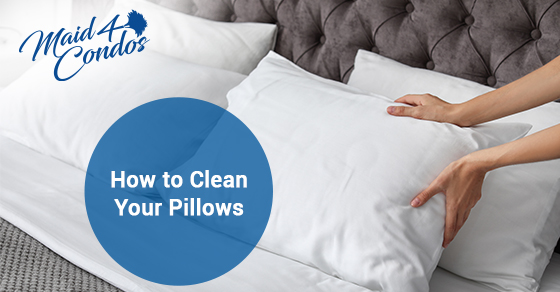
How to Clean Your Pillows

Have you ever taken a good look at your pillows without the pillowcases? It’s probably not a pretty sight. Things like sweat, skin and hair oil, and drool (you know who you are) can all lead to unsightly brown and yellowish stains that make your pillows look nasty. However, your pillows are also home to things like dead skin and dust mites. Yuck!

Tips on how to clean your pillows effectively

So, while you might think cleaning your pillowcases and protectors is enough to keep things sanitary, you need to think again. Here, we offer our home cleaning services tips on how to really clean your pillows.

Why bother cleaning pillows?

Well, we understand why you might be asking this question. The thing is, though, every night you spend about 6 to 8 hours where you leave behind all kinds of residue even if you’ve just taken a shower. All of the stuff your body sheds and produces during sleep, from sweat to oils and skin to hair, add to an unsightly and not so healthy pile up of yuck.

So, while you might think pulling a crisp white clean pillowcase over the pillow makes up for all that buildup, it really doesn’t do as much as you’d think.

Do I have to wash my pillows whenever I wash my sheets?

Nope, you really don’t. However, you should be washing them at least twice a year. This is nothing in the larger scheme of things, and it helps you keep your pillows sleepably and cuddlably fresh. An easy way to remember when to clean your pillows is to do it every time you reset the clocks for Daylight Savings time.

How can I clean my pillows?

Here are our tips:

Washing Machine

Most pillows can actually be tossed right into your washing machine; just be sure to read the label before you do it. For example, if you have down pillows, you can, but if you have something like memory foam, you can’t. When buying new pillows, choose ones you can wash in the washing machine to make life easier. Follow these steps:

1. Always do two pillows at a time to avoid jamming the machine with too many while also keeping the machine balanced.

2. Add a small amount of your usual laundry detergent.

3. Although saving energy is good, in this case, go for the hottest water setting to kill germs.

4. Run the pillows on the gentle setting.

5. If your machine offers the option to run two rinse cycles, then choose that. If not, run the machine a second time without the detergent to make sure the detergent is completely removed.

The spin cycle should get out most of the water, but if you have different spin settings, then choose the highest to be safe. Otherwise, you might have to run the spin twice.

Removing Stains

First, let’s consider those gross brown and yellow stains. Don’t worry, everyone has them, so no need to feel like you’re the only one. Major stains require major cleaning power, and we recommend using vinegar first, as it is strong but natural. You can remove stains using the washing machine if your pillows are machine-safe following these steps:

1. When adding your detergent, add about 1/2 cup to 1 cup of vinegar. You can either put it in the fabric softener slot, or wait until the water is almost filled and add it then. Only use the vinegar for washing your pillows twice a year, as it can damage tubing if used too often.

2. Some machines have a cool setting designed for whites. It includes a soak that helps loosen stains. If you have a soaking option, be sure to use it to see the best results and add your vinegar at this stage.

3. After the first run, see how your pillows look. If they are still brown, you might want to run them through the cycle a second time. This time, you can consider using a laundry stain remover designed specifically for whites. Avoid bleach, as it can lead to issues with rashes or breathing troubles.

4. If the pillows seem too wet when the cycle ends, then run them through the spin cycle again to remove the excess water.

How to Dry Pillows

Drying pillows should be easy, but you should follow these steps to make sure they are dried thoroughly:

1. As mentioned above, if the pillows seem too wet, then run them through the spin cycle again to remove the excess water.

2. Use wool dryer balls to help keep your pillows fluffy.

3. Use the lowest setting and never put your foam pillows in the dryer even if the instructions say they are washing-machine safe. Down and feather pillows are best on air dry as opposed to low if you have that option.

4. Try running the dryer for about 30 minutes and check to see how the pillows feel. They have to be completely dry or else they can get mouldy and will also feel awful when trying to sleep.

If it’s a warm sunny day outside, then you can try laying them in the sun on your balcony. Only do this if you get sun though, as they won’t dry in the shade! The sun will give them a nice fresh smell naturally, while also helping kill any germs left behind.

What if my pillows are not machine washable?

For pillows that are not machine washable, read the label to see what is recommended. Most pillows should be safe to bring to the dry cleaners. You can look for a dry cleaner that uses eco-friendly methods to reduce chances of irritation.

If cleaning pillows sounds like too much work, then contact the experts at Maid4Condos. Our home cleaning services can take care of all your cleaning needs, including drool and sweat-stained pillows—no judgement!

14 Easy Kitchen Appliance Cleaning Hacks

If you cook at home, chances are your kitchen appliances tend to get pretty dirty. Unless you are obsessed with achieving a Monica Geller level clean, appliances often fall off the end of most people’s cleaning lists. However, they are probably one of the most important things to clean since you use them to prepare and store food.

Easy Kitchen Appliance Cleaning Hacks

Here we offer 14 kitchen appliance cleaning hacks to keep your appliances food-safe.

1. Miraculous microwave cleaning hack

Microwaves are notorious for exploding overflows. Since it is so easy to cause something to explode or overflow in the microwave, you might not even notice a crusty or greasy buildup on the inside top of this time saving device. However, you can make short work of even the crustiest messes with this easy method:

  • Fill a medium microwave safe bowl with a cup of water and 4 tablespoons of vinegar or lemon juice. For extra messy jobs use a teaspoon of liquid dish detergent.
  • Place the bowl in the microwave and set it for about two minutes.
  • Allow the water to steam, but keep an eye on it so it doesn’t boil.
  • If it does start to boil, stop the timer.
  • Let the bowl sit in the microwave for another few minutes allowing the steam to loosen the grease and crust.
  • Open the microwave, remove the bowl and use a clean cloth to remove the goop.

If anything is still stuck, you can use the water solution to damp the cloth and wipe away the mess.

2. Clean that microwave plate

A good rule of thumb to keep your microwave plate clean is to give it a wipe after every use. It just takes a second and it will remove any drips or drops of condensation from the container.

3. Clean milk and beverage containers

Before placing milk cartons and other beverage containers back in the fridge, wipe them down with a paper towel. This will reduce the buildup of old milk and sticky juice drips from the spout.

4. Clean the fridge when it’s getting empty

To avoid the hassle of taking food out of the fridge to clean, watch for opportunities when your fridge is running low. A good time to do it is prior to grocery shopping so you can also clean out all the expired foods and know what needs replacing.

5. Take out fridge shelves and drawers

Even glass shelves should be removable. The best clean requires you to get the shelves and drawers out so you can soak them in the sink and get at them with a safe cleaning solution and warm water. For stains, try using an ammonia solution with 1 part ammonia and 5 parts water and leave the shelf to soak for a while. Let them air dry.

6. Make sure to wipe down fridge walls

While your shelves and drawers air dry, use hot water with liquid dishwashing soap and a clean cloth to wipe down the inside walls and base of your fridge.

7. Use baking soda or coffee grounds

Once you put everything back in the fridge, place an open box of baking soda or an open jar of ground coffee at the back of one of the shelves. This will help keep the fridge smelling fresh.

8. Get rid of veggie smells

Veggie drawers can produce unpleasant smells even when the produce is fresh. A good hack here is to crumple up a paper bag or sheet of newspaper and place it in the drawer to help absorb the damp.

9. Use vinegar to clean the dishwasher

This hack can be done about once a month. It helps remove food from the pipes as well as cleaning all the walls and racks. Take a cup of white vinegar and pour it into a dishwasher- safe container. Place that container on the upper rack and then allow the dishwasher to cycle through the hot water setting. This will help remove odours and clean the system out.

10. Baking soda paste for stove tops

If you have a glass stove top you know how frustrating it can be to keep it clean. An excellent hack is to make your own DIY cleaner using baking soda and vinegar or lemon juice. Add a few drops of vinegar to a spoonful or two of baking powder to create the paste. Then apply the paste to the areas that need a good scrub. Let it sit for about 15 or 20 minutes and then scrub it off. Rinse with soap and water and you should be pleased with the results.

11. Handy vinegar spritzer

Take a proactive approach to keeping your stove clean by keeping a mix of vinegar and water in a spray bottle nearby. When you’re done cooking, spritz the stove top and wipe it clean. This avoids those crusty chunks from getting stuck on the surface.

12. Greasy gunk hack

For a grease free stove, sprinkle the top with baking soda in greasy areas and drizzle a small drop of hydrogen peroxide on it. Let it fizz and then lift the greasy mess off with a spatula.

13. Stainless steel smears

You love those stainless steel appliances but hate trying to keep them clean. They are constantly covered in finger smears and many cleaning products just make it worse. However, this DIY cleaning product is found in almost every kitchen: olive oil.

First, dry your appliances with a clean cotton cloth and then dip the cloth in a bit of olive oil. Rub the cloth over the steel surface paying attention to the grain. You want to follow the grain as you wipe to get the best results. Be sure not to use too much and your appliances will gleam.

14. Kettle cleaning hack

The inside of your kettle can get pretty dirty thanks to mineral buildup from water. A natural cleaning trick is to fill your kettle to the ¾ mark half vinegar and half water and let it soak for an hour. Bring the kettle to the boil, then dump the mixture out. Give it a good rinse and you’re good to go.

If you want to find out more about cleaning kitchen appliances, and general condo cleaning, call Maid4Condos at 647-822-0601 or contact us here.

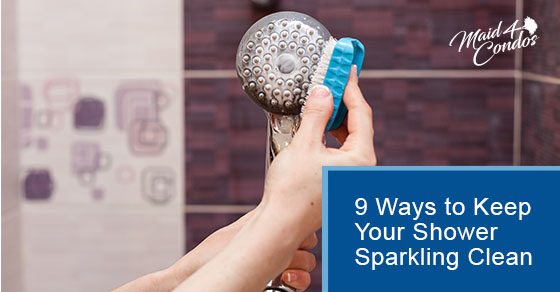
9 Ways to Keep Your Shower Sparkling Clean

Oh, those annoying showers. You need to use them every day, but they seem impossible to keep clean. It takes plenty of elbow grease and when you put it off it is even harder to tackle the dirt. Showers are prone to all kinds of buildup from soap scum to mildew and grime to scary mould. If you feel you are losing the endless battle to keep your shower sparkling clean here are nine cleaning tips to help.

Tips to keep your shower sparkling clean

1. Understand what you’re up against

Sometimes it helps to understand why your shower gets so dirty. Although you might think the soap and shampoo you use to clean your hair and body wouldn’t be the cause of your shower dirt woes, they are the very thing that starts it all. Along with your dead skin cells and body oil, all of these things work together to create the perfect storm of very unsightly, not to mention unhealthy, buildup. You also might be contending with minerals found in water which leave that grey film around the tub or on your shower stall tiles. All of these things require regular cleaning to keep your shower from becoming a host for germs and bacteria.

2. Use a squeegee

The best way to avoid having to scrub down your shower is to take a more proactive approach to keeping it clean. Your goal is to remove as much of the daily soap scum that can build up over time. The easiest way to do this? Buy a small shower squeegee. After each shower use the squeegee on the walls and shower door to wipe everything off. You can then give the squeegee a quick rinse and you’ll find your cleaning time is reduced from weekly to monthly.

Because the steam of the shower and the soap and water on the walls and door are easy to wipe down, you don’t even need a cleaner. If you have a tub, make sure you drag the squeegee down to the rim and pull it across the surface.

3. Create your own DIY spray

If you aren’t so keen on the squeegee idea or want to enhance the effectiveness of the squeegee wipe-down idea, keep a spray bottle of your own DIY eco-friendly cleaner in the shower. After each shower, do a quick spritz of the walls, shower curtain or door and it will help keep the scum buildup to a minimum.

Vinegar and water are a good choice for glass or lemon for tile, not to mention a nicer smell. It takes a cup of water, ½ cup of lemon juice or vinegar and a dash of dishwashing liquid. You can even add some drops of your favourite essential oil for a clean, relaxing scent when you shower.

4. Improve air ventilation

Luckily, condos require fans in the bathroom. If, for some reason you don’t have one (maybe you live in an older building) leave the door to the bathroom open, if you can, so you reduce moisture that can contribute to mildew and mould growth. If you have a bathroom window you can crack it open as well. Keep your fan running for at least 30 minutes or keep your door or window open until the moisture has had time to dissipate.

5. Wash glass shower stalls with vinegar

If you have a glass shower stall or door, vinegar is an excellent cleaner for soap scum – and also kills bacteria. As above, you can use it on the glass surfaces for major cleans instead of after each shower. Spray it on, let it sit on the glass for about five minutes and then wipe the walls down with a soft cloth. You’ll see a real sparkle to your glass using this method.

6. Use dryer sheets

If you find your shower door or glass walls always seem to have water drop marks, a good solution is to wipe down dry walls with a dryer sheet. Collect the dryer sheets you use in your laundry loads and reuse them to clean the doors. Just use them as you would any cleaning cloth. It does take a bit of elbow grease sometimes, so you might find you prefer using a window cleaner and cloth instead.

7. Attack the real dirt now

We understand how easy it is to get too busy to clean. However, this becomes a habit and the next thing you know you are cringing from the ick factor of facing that dirty shower every day.

The best thing to do is tackle the real dirt now because it can only get worse. This calls for a cleaning product made for bathrooms with the cleaning power to remove that buildup. You can try a scrub-free brand but chances are with the real dirt buildup, this won’t cut it. Remember: Procrastination is the number one enemy of clean bathrooms.

8. Use scrub-free products

Another good proactive approach is to use a scrub-free product on your shower every few days. This allows you to spritz it in the shower and let it work until your next shower. Make sure no one will be using the shower right after you though, or it will be rinsed off before it can do its job.

9. Trusty toothbrush

Save your old toothbrushes to tackle those corners where soap scum tends to build up. When you are doing your more thorough monthly scrub-down, this will help make short work of the debris that lurks along the tub line and in the corners. It also is the ideal tool to get in between the grooves of your shower door.

Using these tips will help you keep your shower clean and make it easier to complete those monthly, major deep cleans.

If you want to find out more about shower cleaning, call Maid4Condos at 647-822-0601 or contact us here.

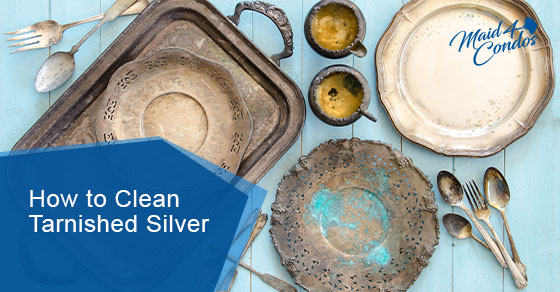
How to Clean Tarnished Silver

While your silverware might be your pride and joy, it comes with some responsibility. Whether it is a cherished wedding gift, something you purchased yourself or a family heirloom passed down for generations, silver has a tendency to tarnish over time.

Tips to clean tarnished silver

Since silver is an asset, you want to do your best to bring out its natural beauty. The more ornate the design, the more difficult it can be to polish. Here we offer our pro tips on how to clean tarnished silver.

Avoid Old Wives’ Tales

First be careful not to fall into silver polishing tips that tend to be old wives’ tales including:

  • Toothpaste as a polish: Many people recommend using toothpaste to safely clean silver since it is abrasive enough to clean plaque but gentle enough for human use. However, the keyword here is abrasive. Silver is quite soft and easy to damage. If you use too abrasive a cleaner like toothpaste, you can do more damage than good. However, if you want something that doesn’t have a strong smell and is easy to clean from your hands – and if your silver is only slightly tarnished and is not just silverplate – you can choose a whitening toothpaste to provide a respectable clean without the harsh chemicals. For silverplate or heavily tarnished pieces, the extra force required to remove the tarnish could lead to scratches.

  • Hubcap Cleaner: This is more likely a tip handed down from grandpa as opposed to grandma. Not to be misogynistic, but not many wives of days gone by would think of hubcap cleaner as the best way to clean their precious silver. This is a super aggressive cleaner that actually will make short work of tarnish. But it will also take away the charming patina and could lead to discolouration or uneven splotching that will ruin your silverware. Also, this is really not recommended for silver you’ll eat off because who knows what chemical residue it might leave behind?

Consider Natural Polish

As mentioned above, especially for silverware you will use to serve and eat food, finding a natural solution might be appealing. A few DIY options include:

  • Lemon Juice and Baking Soda: A paste made from lemon juice and baking soda can be very effective. Oxidation that causes tarnish can be removed with this DIY solution but keep in mind, it won’t get the shine of other polishes. So while it does remove the tarnish, it won’t act like a polish to bring back that sparkle. It’s also quite abrasive so the temptation to scrub in hopes of getting a sheen could lead to scratches.
  • Cornstarch: A paste made from cornstarch and water can be applied to silverware and then wiped away with a damp cloth to get a very impressive shine.
  • Vinegar and Baking Soda: Instead of creating a paste with this combo, you can mix half a cup of distilled vinegar with two tablespoons of baking soda and soak your silver in it for three hours. Remove it and rinse the solution off, then wipe it all down with a soft, clean cloth.
  • Aluminum Foil, Baking Soda & Hot Water: This might sound a little whacky but this is the lazy person’s silver cleaning trick. You simply place a sheet of aluminum foil, shiny side up, in the bottom of a pan and add enough water to cover your silverware with one teaspoon of baking soda and one teaspoon of salt. Bring it to a boil and then place your silverware in the pan and let them soak in the boiling water for about two or three minutes. Remove them with tongs so you don’t get burned and then rinse them with water. Dry them off and use a soft cloth to give them a buff.

    If you don’t like the idea of leaving your silver in boiling water you can line a casserole dish or shallow vessel with aluminum foil or actually use an aluminum foil disposable pan, sprinkle it with a fair amount of baking soda, add your silver and then pour boiling water to cover everything. Once the water cools, you can rub the silver clean with a cloth.

Store-Bought Polishes

It makes sense that store-bought polishes specifically made to clean silver would be your best bet. So if you aren’t set on using something less chemically, like lemon and baking soda, for overall shine and tarnish removal this is your best bet. The only thing with prepared polishes is that over time you actually remove tiny levels of silver from the piece.

However, if you can find it, Tiffany brand silver polish is the best. It removes the brownish tarnish and protects the silver from wearing down. Another option is Wright’s Silver Cream. Just be prepared to apply more elbow grease to see the shine if you choose Wright’s.

Hand Sanitizer

Although hand sanitizer is kind of a hot commodity thanks to COVID, if you think you can spare some, it can help get tarnish off in a snap. It’s the alcohol that helps break down the tarnish and you actually get a respectable sheen when you’re done. Use a soft cloth to wash it off and you’ll be quite pleased.

Bottom Line

Overall, the easiest and most effective solution turns out to be the baking soda, water and aluminum foil trick. It takes far less effort, uses no harmful chemicals and gets excellent results that would make grandma proud. It’s also the easiest way to tackle a whole slew of silverware as opposed to polishing a single pair of candlesticks.

Plus, if you want to avoid tarnish, make sure you are storing your silverware properly, in a drawer or chest lined with tarnish-resistant flannel. If you don’t have access to such a fancy setup, you can also individually wrap each piece in acid-free tissue paper, silver cloth or unbleached cotton muslin and then store it in a sealed container or zip-top plastic bag.

If you want to know more about silver cleaning and cleaning services Toronto, call Maid4Condos at 647-822-0601 or contact us here.

13 Tips for Cleaning Windows Like a Pro

Condo living is meant to be low maintenance. However, that doesn’t get you off the hook for keeping your own unit clean. Condo cleaning Toronto residents require can be particularly tricky when it comes to windows. Especially if you don’t have a balcony or you’re 40 floors up! But the good news is, you can still keep your windows sparkling by using these 13 tips to clean them like a pro.

Tips for Cleaning Windows Like a Pro

1. Dust a little first

To make sure you aren’t sidetracked by the dust and cobwebs on the glass, sills and frames, be sure you start by dusting everything down. This is a must before you get into the nitty-gritty of cleaning.

2. Use the right tools

You might think you need a squeegee for streak-free windows but the trick for DIY window cleaning lies in using the right tools for you. In this case, we recommend the trusty clean microfibre cloth. While squeegees do reduce streaks, they really only work if you use the right technique. Otherwise, you end up with streaks despite your efforts. That’s why we recommend a microfibre cloth. It provides more control so you can wipe away the streaks and you won’t get those little pieces of lint that paper towels can leave on the glass. Also, squeegees tend to make a mess on the floor and/or window sill as they don’t absorb the excess cleaner like a cloth.

3. Choose a cloudy day

Not rain, just cloud. Rain on the windows makes it impossible to tell if you are cleaning properly. Sun can also make it difficult to work. Not only is it too bright but it is also too hot. The heat will actually cause your cleaning solution to dry too fast, leaving streaks. Cloud is ideal as you can see the dirt and not have to contend with the glare. It also keeps the windows cooler.

4. DIY your cleaner

While there are common household cleaners and specific window cleaners available, when it comes to that perfect clear window, a DIY cleaner is your best choice. They are cheap but also don’t contain harsh chemicals that can be harmful to breathe in. The best solution is the old standby:

  • 2 cups of water
  • 1/2 cup white or cider vinegar
  • 1/4 cup isopropyl alcohol with at least 70% concentration

Place it in a spray bottle and you’re good to go.

5. Always spritz

Don’t use a bucket or bowl full of your cleaning solution to dip your cloth in. Instead, always spritz the windows with a spray bottle. This allows you to control the cleaning solution and avoid having too much on the window. However, it also provides a clean spritz as opposed to sloshing the dirt you just removed straight back onto the windows.

6. Remove the cleaner

Use your cloth to wipe down the windows, watching for streaks. You can rub away streaks easily with the cloth so you leave nothing behind but a pristine shine.

7. Outdoor windows with a balcony

If you have a balcony, you’ll be able to get an even clearer view. While the indoor clean does make a difference, the outside is always far dirtier. When cleaning outside, never try to reach over the balcony to get at other windows in your unit. This is just plain unsafe.

8. Start outside

Always start with your outside windows first so you can get a better idea of what dirt is inside when you do your final clean. Use a separate cloth for inside and out, as your outside cleaning is going to get quite messy. You don’t want to rub that all over your inside windows.

9. Abrasive cleaners for outside challenges

As mentioned, your outside windows are going to be much dirtier. This can include everything from bird poop to unknown greasy spatters. For these jobs, you might need a more abrasive cleaner so consider a mix of vinegar and baking soda for the job. Remove all of these prominent stains first or you’re just going to be spreading the dirt over the glass as you work.

10. Squeegee for full-length windows

While we didn’t recommend the squeegee, if you have full-length windows such as sliding patio doors, it might be the better tool, especially for outside work. Once you remove major stains and grime outside, use your DIY cleaner with a thorough spritz and squeegee the window top to bottom.

11. Final wipe

A final wipe with your microfibre cloth will make short work of any streaks you left behind with the squeegee.

12. Windowsills

Always do the sills last so you can wipe away any of the drips from the window and spray bottle. Just be careful not to cause streaks on the window while you work. Try to get into the rails where the windows run along to open and close them, as this tends to get pretty grimy.

Be careful when you see anything that seems to be in tiny clumps and black, as this can be mould. If you do notice something like this, spray it with bleach first to let it kill the mould. This will prevent the spores from puffing in the air when you touch them. You might also want to wear a mask to be safe.

13. Screens

If your windows open (not all high-rise condo windows are operational) carefully remove the screens and give them a good wash. If they are large and cumbersome, consider rinsing them down in the bathtub. Smaller screens can be rinsed in the kitchen or laundry sink if you have one in your unit.

If your motto has always been “I don’t do windows” these tips will change your mind. However, if the idea of cleaning windows is still unappealing, the team at Maid4Condos is ready to help. We can customize our services to suit your needs and can get those windows sparkling clean.

If you would like to find out more about window cleaning, call Maid4Condos at 647-822-0601 or contact us here.