7 Tips for Keeping Your Bedroom Spotless

Many of us focus on keeping common areas in our homes neat and tidy, but our bedroom sanctuaries tend to get a little, shall we say, messy. It’s easy to do this as we usually spend time sleeping here, so why worry about the mess? 

7 Tips for Keeping Your Bedroom Spotless

The thing is, when you let your bedroom get messy, you allow dust to build up and unthinkable things to collect in your bed. Clutter is also bad for the mind, so trying to get some sleep in a room in complete disarray, or waking up to clutter, can mess with our minds without even realizing it. 

If you are one of the many who have a closed-door bedroom policy to hide your chaos, use these seven tips to keep it spotless and serene.

1. Declutter

First, start with a clean slate. Do a complete bedroom declutter using these easy steps:

Start by looking at all the clothes that have landed on the floor, your bedroom chair, or tossed on your dresser. Either put them in the laundry, hang them up or stash them in a dresser. Anything you don’t need can go in the trash, to charity, or sold online.

Next, assess your closet and decide if there is anything you don’t wear anymore. If it’s in good condition, either give it to a friend, drop it off for charity, or sell it online. Do the same to all your dresser drawers.

Now it’s time to look at anything you don’t wear, such as magazines, books, papers, workout equipment, etc. If you use it, find a place to store it. If you don’t trash it, give it away, or sell it.

Finally, take advantage of all that new space in your closet and dresser drawers. Organize each drawer to separate things like socks, undergarments, and accessories, and stick to those drawers when putting away the laundry — yes, you will now be putting your laundry away!

You now have your room organized and can try your best to make sure everything is put away to avoid creating more clutter.

2. Pick-up laundry

Your bedroom is often a place where clothes begin to pile up mysteriously. It’s even worse if you are a fashion maven who changes several times a day. To help reduce laundry pile-ups, switch to a laundry pick up method instead:

  • Keep a laundry basket or sack in your room, and instead of dropping dirty clothes on the floor, place them in the laundry.
  • If you change, put your clothes not ready for the laundry just yet, keep a pretty basket in your room and at least fold your clothes and put them in the basket.
  • Keep a separate laundry “sack” hanging on a bedroom door knob where you can place anything that requires dry cleaning so you keep it out of sight, but can also then just take the sack with you to drop off your laundry.

When you do the laundry, be sure to hang everything up or fold it and put it away.

3. Vacuum

Vacuuming the bedroom might seem like a waste of time, but you seriously want to rid your sleeping space of dust and dust bunnies that love to hide under the bed. Use your vacuum to:

  • Vacuum the entire floor area, including under the bed, chairs, side tables, etc.
  • Remove your sheets, vacuum the mattress, and put the sheets in the laundry.
  • If you have attachments, use them to vacuum your lampshades and drapes.

If you don’t have a vacuum and have hard surface floors, use a broom, and make sure you get under the bed!

4. Dust

Dust all the surfaces in your bedroom, such as your dresser and side tables. Try to do this once a week, or at least once a month.

5. Make the bed

Not making your bed is an easy habit to get into. However, there are many reasons you should make your bed every day:

  • When you make your bed, it becomes a morning ritual that helps start your day off on the right foot.
  • When you come home after work, you reduce stress levels as your bedroom is neat and tidy, keeping the mind calm.
  • Your room always looks cleaner when your bed is made.

A made bed is always more inviting, encouraging your mind to relax and be ready for sleep.

6. Keep your bed fresh

To make your bed even more inviting, commit to keeping your bed linens clean with these tips:

  • Bed sheets should be washed once a week. If you can’t manage this, aim for twice a week, or at least once a month.
  • Your duvet cover should be washed each season, so a pretty manageable schedule, although it’s easy to forget. Consider adding an alert on your phone as a reminder.

If you don’t have a duvet cover, it can be cumbersome or close to impossible to wash your comforter. Consider using a fresh spritz of a linen deodorizer once a month to keep your room fresh, and then bring your comforter to the dry cleaners every season.

7. Get organized with storage

A common reason condo dwellers have messy bedrooms is that they lack storage space. Here are some storage ideas to help keep things neat and optimize your small space:

  • Install shelves in your closet where you can place baskets to store smaller items.
  • Use an old school clothing rack in your room to take on closet overflow.
  • Use a hanging shoe tree on the back of your bedroom door to organize shoes, or even slide in accessories like scarves.
  • Use bookshelves as a creative headboard where you can place small baskets of clothes or declutter other surfaces by placing books, magazines on shelves and in baskets.
  • Buy a laundry sack instead of using a hamper so you can hang it on a doorknob to take up less space.
  • Use the space under the bed with handy organizers to hold things like seasonal clothes, lesser worn items, bed linens, etc.
  • Buy a bed with built-in drawers.
  • Use cork tiles on the wall to create handy storage space for jewelry using sturdy push pins as hangers.
  • Use hooks on the wall (or on the inside of your bedroom or closet door) to hang clothes you plan to wear again or for your accessories like scarves.
  • Use drawer organizers to keep everything neatly in place to make things easier to find.
  • You can also think outside the box and consider less conventional items for your bedroom, such as bathroom caddies, tote bags, etc. 

For more tips to keep your bedroom spotless, call Maid4Condos for home and condo cleaning services at (647) 822-0601 or contact us here.

Common Odour Sources in Kitchens and How to Fix Them

Smells are honest. Sure, you can cover up bad smells with good ones and try to overpower the threat temporarily. But they’ll come back, they always do. In an ideal world, our homes would always smell like the Four Seasons Spa. An intoxicating aroma that can relax and energize you at the same time. Back in reality, however, that aroma is more likely to be a bountiful bouquet of foot funk and forgotten food. When the Spectre of meals past has come to haunt your kitchen yet again, reach for this brief guide against forlorn fungus and freshen your fortress!

Garbage Cans, Disposals & Recycling Bins

Starting the list is the usual suspects – the last stop of home refuse, the garbage and recycling. Sometimes what’s finished is not forgotten. Recycling can leak a bit here and there, soon enough there’s a small ecosystem in the bottom of the bin. Grease and food scraps can clog the drain or garbage disposal with absolutely vile consequences. 

Here are some go-to methods we use to neutralize the funk in garbage cans and recycling bins. It works every time. To clean the can properly, spray it, really douse it with diluted bleach and give it a few hours to do it. After that, wipe away larger particles. Rinse it with water and use soap to wash it out. 

A helpful way to stay ahead of funky build-up is to regularly spray with odour eliminating disinfecting sprays or homemade solutions with natural cleaners and essential oils. Prevention is the best measure to take here. A good garbage routine will make bin funk a problem of the past. 

If you’re the proud owner of a garbage disposal, save your citrus trimmings and rinds in the fridge. Collect enough of them and feed them in one shot. That way, there will be enough citric acid and essential oils from the citrus peels to saturate every corner. Doing so helps break up the organic grime that’s the cause of the odour. Do this a few times a month to keep everything smelling fresh.

Sponges and Rags

Our humble kitchen companions do a lot and get very little credit or attention. Sometimes we take for granted and assume the tool we use to clean other things must be clean by definition. Oh no, no, no, that’s not the case at all. [LINK] Your kitchen sponge may be 200,000 times dirtier than your toilet seat. 

Sponges and dishcloths can be home to a whole society of different bacteria. They’re often warm, wet, and in contact with food regularly. In particular, coliform bacteria in the kitchen are a biomarker of fecal contamination resulting from contact with contaminated raw meat. They are not not necessarily dangerous, just a bit gross. The real issue is – any environment that can breed coliform bacteria can also be home to some other nasty visitors.

The best solution is to bathe that sponge or dishcloth in a diluted bleach solution once a week or if you like variety, stick the sponge in a dishwasher load. If in doubt, you can always throw it out and get a new one.

Rancid Cooking Grease

Sometimes life is just a mess; it happens. Oil splatter while cooking can travel surprisingly far in the kitchen. It can quickly hide, build up, and go rancid with enough time. Grease can splatter on walls or collect for years under your range hood. The oil on your hands can build up on kitchen cabinets and commonly touched surfaces. All this build-up can make your experience in the kitchen an oily one. Remove the residue of last night’s deep-fried Tater Tot binge while watching 90 Day Finance reruns without a hassle. Certain products are well-suited to cut through the grime when they have the right active ingredients.

To master the art of grease-fighting, you must use products that dissolve the oil’s molecular structure. The absolute best products for this are either soap or a mild acid, such as acetic acid (vinegar) or citric acid (citrus fruits). Most grease build-up can be removed easily with the reliable combo of any of those products diluted with water.

Hiding in Plain Sight – Kitchen Appliances 

The major appliances found in almost every modern kitchen help us live more comfortable and more efficient lives. They offer us an abundance of benefits over what was available in the past. Sometimes we forget that these everyday wonders of technology are host to several smelly issues like standing water, mould, mildew, and collecting odours.

The humble dishwasher, friend and ally to many of us, can collect food particles inside and moisture in the rubber seal every time you open and close the door. That moisture gets trapped and becomes home to some funky fragrances. The effects build up quickly after dozens or hundreds of washer cycles. The detergent drawer is also a culprit of this. The best way to prevent this common issue is to wipe down the door seal after every use and leave the door and drawer open for a few hours after a load. 

For a reliable cleaning – Use diluted vinegar and wipe down prominent tough spots. Then run an empty dry-heat cycle to disinfect the interior – leave in any silverware baskets or holders.

After a while, a fridge becomes a terrarium, a miniature environment of all your good (and bad) food decisions. The mostly plastic interior of the refrigerator can absorb and harbour lots of unpleasant smells even if you’re diligent. Its good practice to have a regularly replaced container of baking soda sitting on a shelf to neutralize floating odours. Remove that forgotten about organic kale starting to look like seaweed, wipe-down cracks and crevices in shelving, crispers, or side door. Mop up crumbs and spills immediately, and every once in awhile – before a big grocery restock – remove everything and wipe the interior down with a disinfectant. 

Kitchen Sink Drains – The Highway to Smell

Plumbing and the internet have one thing in common – they’re both a series of tubes. One of them moves information from one point to another, and the other one shuttles…well, you get the point. Nasty smells emanating from the kitchen sink is more common than you’d think. Solid matter can build up and start to rot in the pipe. The problem can become more of one if grease is poured down the sink. It congeals and collects at bends and turns in the pipes and will start to collect food debris in its oily embrace. 

We recommend you scour the drain with baking soda and vinegar. Start boiling a kettle full of water. Meanwhile, pour a cup of baking soda and then a cup of vinegar into the sink. Make sure they really get in there. Let the solution effervesce in the sink for five to 10 minutes, then slowly pour all of the hot water from the kettle into the sink drain.

Visit www.Maid4Condos.com to build a quote, see our latest availability and book a cleaning.

The Ultimate Guide to Keeping Your Home Clean and Fresh Like a Pro

A clean home is a safe and happy home. When was the last time you cleaned, and not just the occasional pass over the kitchen counter, or a light dusting of shelves and tables? Many of us are probably guilty of this and can think of a friend or colleague who knows a thing or two about keeping their living spaces immaculate and refreshing 24/7.

How to keep your home clean and fresh?

Their secret? They don’t just clean frantically before you come over for dinner, or tire themselves out over the weekend to scrub and buff the floors. Instead, they follow the cardinal rule of home cleaning: keeping it simple and manageable every day, as they move around their homes to eat, lounge on the couch, and go to bed. Here’s how they do it:

Always Make the Bed

What’s the point of making the bed when you’re already running late in the morning after hitting snooze, and coming home to crash on it anyway? That’s a question many of us ask, but the truth is that a clean, well-made bed can do wonders for catching those much-needed zzz’s, and brightening up your bedroom. Since the bed is the focal point of bedrooms—and the most personal space—making it every day after you get up can instantly make the room cleaner.

Clean Up After Eating

Dirty dishes are the leading cause of sticky surfaces, lingering crumbs, and even pests and bugs inside your home, all because food scraps are attractive. And the more they pile up, the tougher it is to clean them and make room in the kitchen to try new recipes your friends are raving about.

Did you cook up a storm? Here’s a pro tip from professional cleaners to prevent the mess from getting out of hand: clean pots, pans, ladles, chopping boards, and other cooking ware as you go, so you only have the dishes and serving platters to worry about after dinner. Make sure to wipe down the counter and stove after use to clean up spills and crumbs and prevent them from turning into a sticky, icky mess.

Stay on Top of Laundry

Are you running out of clean clothes? Home cleaners recommend sticking to a laundry schedule to prevent dirty clothes from piling up and taking forever to finish washing. Depending on how often you cycle through clothes, you can wash them once a week, or set specific days to do one load each of whites, coloured clothing, and delicates.

Clean the Washroom

When was the last time you scrubbed the toilet or the tub and shower walls to remove grime from soap? Many of us dread cleaning the washroom because it’s tedious, and it produces a lot of waste. But what if we told you that cleaning the washroom doesn’t have to be such a chore?

Rather than waiting until the washroom is filthy, make it a habit to wipe down the sink, counter, and mirror, and rinse the walls after every shower to prevent soap gunk and grime from building up.

Clean as You Go

These days, a lot of us are lounging on the couch 24/7, and without having people over, it’s easy to forget to fluff and straighten throw pillows, or stashing away small trinkets, books, and other items littered around the room. But undoing this habit and cleaning up when you do get off the couch can do wonders in keeping your home clean and spotless.

Set a Long-Term Cleaning Checklist

Ready to tackle the bigger tasks you’ve been putting off? A busy weekend of cleaning can be overwhelming, and not everyone is up for it. To make it easier, think of it in smaller chunks.

What’s something you’ve been meaning to do to clean your home? Maybe it’s getting rid of junk in the garage, or clearing old clothes from your closet. Whatever it is, schedule one task a day or weekend to get through, so you can restore your home’s warmth and comfort one major clean at a time.

Hire Home Cleaning Services

When was the last time you truly deep cleaned your home? Many of us can follow these tips above, do some light dusting every week, and still notice some stubborn stains and grime sticking around. To complement your regular cleaning, you may want to book home cleaning services once in a while to take care of the big stuff, like stains and built-up dirt.

Professional home cleaners use a range of cleaning supplies to keep your home clean and healthy for longer, and make putting away the dishes or keeping away littered items easier as you move about.

Depending on your schedule and the size of your living space, you may opt for a weekly or monthly home cleaning to thoroughly disinfect your surroundings. To achieve this, home cleaners may add-on GermBlasters, a powerful and odourless disinfectant that can be sprayed on hard-to-reach areas and kill disease-causing germs and bacteria nesting in your home. The GermBlasters cleaning method is 100% safe across a range of surfaces, and won’t contaminate food, despite killing common food prep bacteria like E. coli, salmonella, and listeria. With GermBusters, you can trust these home cleaning services to keep your living space safe 24/7.

Do you need help in restoring your living space to its perfect warmth and comforting atmosphere? Learn how professional home cleaning services help you achieve this. Call Maid4Condos at 647-822-0601 or contact us here.

Your Complete Guide to Removing Blood on Carpets and Hardwood Floors

No one wants to deal with blood. On top of the pain from an open wound or injury, cleaning up the mess afterwards can be difficult, especially when scrubbing them off of absorbent carpets or seeping through planks of hardwood floors. Cleaning up might be the last thing on your mind, especially when these bloodstains often mean you or a loved one is hurt. By the time the chaos has calmed down, you could already be dealing with a stain that has set.

How to remove blood stains from carpets and floors?

Can blood stains be removed even after they set? While it’s not easy, it is possible with the right tools and tips, depending on the flooring type. Professional cleaners recommend removing the stain as soon as possible, but you can’t always get to it right away. The good news is that with a lot of scrubbing and homemade cleaning solutions, you can still restore your home’s floors back to how they originally were.

Here, we’ll discuss what professional cleaners do to prevent bloodstains from ruining the most common types of flooring.

How to Remove Bloodstains from Carpets

It’s never ideal to spill any type of liquid on carpeted floors, as these are very absorbent. Bloodstains, however, are some of the worst because of the foul smell that dried up blood leaves, along with the stark colour contrast of red against neutral carpets.

1. Use a steel brush

There are different ways to remove blood that’s set in carpeted floors. If the stain is dry—often the case when homeowners hire professional cleaners for a residential deep clean (and long after the injury is treated)—you can brush it away with a steel brush. This loosens the stain and removes any deposit on the surface of carpet fibres.

2. Mix dishwashing liquid

If brushing doesn’t work, try mixing a teaspoon of dishwashing liquid with two cups of cold water. Then, use a clean white cloth to blot this cleaning solution directly on the stain until it disappears.

3. Use a spray bottle

If you’re not a fan of dishwashing detergent and chemical agents, you can still remove pesky bloodstains using cold water and vacuum. That’s right; you don’t have to be a professional cleaner to know this simple, non-chemical hack for deep cleaning stained carpets.

Start with a spray bottle filled with cold water or a wet white cloth. Spray cold water or use a wet rag to apply it directly over the stain, starting from the outside and working your way in. Professional cleaners recommend this to contain the stain immediately and prevent it from bleeding further. Then, use either a wet vac or dry towel to blot the stain, followed by drying the spot using a fan. Once it dries, you can vacuum remaining dirt or bloodstain residue, and restore your carpet’s clean appearance.

4. Try an ammonia solution

Based on their experience in residential deep cleaning services, professional cleaners recommend homemade solutions before trying out chemical ones. This reduces safety hazards for you and your loved ones, and possibly even damaging to surrounding appliances and furniture.

For best results, use one tablespoon of ammonia with a half-cup of warm water. Use a sponge to apply the solution directly on the bloodstain and repeatedly blot it until it eases up and is absorbed by the sponge. Finish up by blotting the spot with a sponge dipped in cold water to wash the ammonia off the carpet fibres.

How to Remove Bloodstains from Wood

Did you know that wood is a highly absorbent material? While wood is typically sturdy, it is prone to damage from fluids and other liquids that weaken it or cause it to rot. Fluids like bloodstains can easily seep through the material and cause long-term damage.

Avoid ruining your gorgeous, expensive hardwood floors and compromising the structural integrity of your home. Get bloodstains out of hardwood flooring right away:

1. Blot the blood

The best way to clean the blood off hardwood floors and prevent staining is by doing it immediately before it seeps. Use a paper towel or dry cloth to blot the stain, but make sure to avoid rubbing, as this causes the stain to spread and seep into the wood.

Then, use baking soda; this is a tried and tested cleaning agent used by professional cleaners when deep cleaning various stains and residue. Sprinkle it on the blotted spot, and let it sit for about a minute. Use a brush dipped in white vinegar to scrub over the area, removing the bloodstain. Wait for it to dry, and see how quickly your hardwood floors are restored.

2. Use dishwashing detergent

No baking soda at home, or it doesn’t work? Professional cleaners recommend swapping it out with a detergent solution that’s half a tablespoon of dishwashing liquid mixed with a cup of cold water. Wet a rag with this solution and wipe off the bloodstain, effectively washing it away.

3. Use steel wool

The reality is that you might not get to the stain in time to prevent it from setting. Professional cleaners also use steel wool; it’s designed to eliminate stubborn and deep-set bloodstains when you miss that short window for blotting or wiping it away.

Use steel wool to lightly brush dried up bloodstains on waxed hardwood floors. Keep in mind that you should only use gentle force and a couple of passes to avoid scratches and other damage. Once the stain is gone, wipe down the area with a damp cloth to remove remaining residue, and consider re-staining or applying a new finish to restore its appearance.

One tiny caveat: steel wool isn’t advisable to use on unfinished hardwood flooring. Try the other methods, or call in professional cleaners for a residential deep clean service if they don’t work.

4. Use bleach, but with caution

Bleach is a very strong cleaner, and even professionals only use it sparingly—and when it’s safe to do so—because it can easily damage surfaces. For very stubborn bloodstains that have seeped into the grain of the wood, you can use bleach to scrub it away. However, it comes at the cost of your hardwood floor’s finish: bleach leaves a discoloured spot where the bloodstain was removed, and you will need to re-stain the wood to restore its uniform appearance.

To learn more about removing blood and other stains from delicate surfaces through our complete residential deep cleaning service, call Maid4Condos at 647-822-0601 or contact us here.

5 Easy Steps for Cleaning Your Fridge, and How to Avoid a Mess

Clean, safe to eat, delicious food starts in the fridge. A clean, working refrigerator makes all the difference in stocking up on your favourite flavours and fresh meals you want to share with family and friends. But when was the last time you cleaned your fridge, and are you doing it right?

How to clean a fridge and avoid the mess?

Whether you’re cooking up a storm for a summer event or finally getting the chance to try out exciting new recipes this quarantine season, think about where and how you store these delicious dishes and ingredients. Are they stored properly in a clean and fully functional refrigerator? It’s time to learn how to clean your fridge in no time and keep it in good condition.

How to Clean Your Fridge in 5 Easy Steps

1. Prepare cleaning supplies

You need all the right tools and supplies to deep clean your fridge, and depending on how long it’s been since it was last cleaned, you might be greeted by a smelly and grotty mess. This is especially true if spills and food items well past their best-before dates went unnoticed.

Just like in basic cleaning packages, professional cleaners recommend coming prepared with trash bags, rubber gloves, a back-up cooler for temporary food storage, a non-toxic cleaning solution, sponges and rags, and microfibre cloths. These cleaning supplies help when eliminating the expired food items and icky stains clinging on the shelves and walls.

2. Empty it and take inventory

You can’t clean the fridge without emptying it. That’s why you need a cooler to store refrigerated items, as well as ample counter space. You might think it’s easier to leave some items behind and move them around as you wipe down the shelves, but that doesn’t guarantee a thorough clean. Removing everything inside the fridge allows you to check what should go back inside once you’re done, and discard food items well past their sell-by date.

Make it easier to keep track of what goes back inside the fridge, and where. Set aside frozen items in the cooler (or keep them in the freezer until it’s time to take them out), and organize bottles, jars, produce, and leftovers on the counter according to the order they go in. Take this time to check on the leftovers and foodstuffs for signs of mould and rotting, and chuck them in the bin.

3. Scrub and wipe it down

Take your cue from the professionals in basic home cleaning packages: remove the shelves, drawers, and door inserts for washing using a sponge and dish soap. This allows you to scrub them thoroughly and remove food scraps and stains from spills. For particularly stubborn stains, you might need to soak them in soap and water to make scrubbing easier.

While they’re drying, you can scrub down the walls with a sponge, and the exterior with a microfiber cloth. These take care of stuck-on food spills and stains on surfaces without scratching the plastic or glass, as well as fingerprints and streaks on stainless steel exteriors.

4. Take care of stubborn stains

While most stains and spills go away with a quick scrub, others require more than a few passes to ease up. Professional cleaners recommend wetting your sponge or rag in hot water to make scrubbing easier and remove congealed items. These should take care of bright stains from condiments, and restore your fridge to its clean, all-white appearance.

5. Put everything back

Yay, you did it! Now that your fridge is clean, it’s time to put the shelves, drawers, and inserts back inside, followed by food items that made the cut earlier. This is also a good time to adjust shelf placement and reconfigure how your fridge is organized. You can easily access frozen items, breakfast food, condiments, produce, and leftovers according to their size and how often they’re used. Before placing them back inside, make sure that all lids and caps are tightly screwed to avoid spills and drips.

Tips for Cleaning the Fridge

Professional cleaners follow the steps above in basic cleaning packages, but knowing what cleaning products are safe to use and how to use them makes all the difference in deep cleaning your fridge:

  • Be careful with kitchen cleaners: Not all cleaning solutions were created equally and designed to be used everywhere. Some cleaners tend to be strong and good for killing common germs, but make sure to avoid contact with food. Alternatively, you can also opt for normal dishwashing liquid, instead, to avoid lingering chemical residue.
  • Don’t use bleach: Bleach and other disinfectants are harmful when they contaminate food stored inside the fridge. To avoid this, make sure that your cleaning product is specially formulated for use inside the fridge.
  • Try natural products: Instead of potentially toxic chemicals in cleaners, opt for a natural clean. Regular baking soda can easily remove stains and absorb bad odours, while white vinegar is good for stainless steel exteriors.

Avoid a Mess in the Fridge

You can’t scrub the interior of your fridge and take out all the food and compartments every day, so the best way to keep it clean for longer is to avoid making a mess in the first place. Make sure to clean up right away if you accidentally knock over a jar or container when reaching between packed shelves. This avoids further spilling, staining, and foul odours, so you can finish your regular deep cleaning faster.

Keeping a fridge clean also means your food stays well ahead of its best-before date. In any case, you should regularly dispose of expired food items. If you don’t, these condiments and leftovers can grow mould and contaminate fresh food in close contact.

Similarly, be conscious when out for your regular grocery trip and meal prep sessions; avoid buying and cooking too much food that you can’t consume before it goes bad. Make sure to store raw meat and fish in sealed containers in the freezer, produce in refrigerator drawers, and jar items on the fridge door shelves to avoid drips and temperature changes.

Need help with cleaning your fridge? Learn more about our basic cleaning packages that include the kitchen. Call Maid4Condos at 647-822-0601 or contact us here.

The Most Common Home Cleaning Mistakes

Everyone has their own method of cleaning their home. However, you may be making certain mistakes that can lead to your home becoming dirtier. To avoid putting in the extra work and making sure you get it right the first time, here we’ll discuss some of the most common mistakes while cleaning your home.

 Common cleaning mistakes

Loading Too Much in the Dishwasher

While it’s beneficial for the environment only to run your dishwasher when it’s full, if there are too many items in the dishwasher, it can cause damage. Plus, not all the dishes will be thoroughly cleaned.

Using Your Cleaning Cloth too Much

Many people use a cleaning cloth for various tasks in the kitchen. Whether it’s drying your hands, wiping the counter, or cleaning the stove, a cloth can serve a multitude of purposes. However, if you’re not cleaning the cloth often, then you could be spreading more grime and germs.

If you are using your cleaning cloth many times during the day, switch it daily. If you don’t use it as often, change it every other day.

Forgetting about Your Coffee Maker

Your coffee maker is susceptible to bacteria and mould because it is so moist and warm on the inside. That’s why you need to clean it thoroughly each time you use it. Plus, if you’re a coffee aficionado, then you know that a clean coffee maker will make your coffee taste better.

Not Cleaning the Touchpoints

Sometimes, not cleaning the spots that you touch or often handle (the touchpoints) can be easily forgotten. However, keeping these areas clean is essential in reducing germs. These surfaces include faucets, door handles, remote controls, and knobs, so it’s best to clean them a few times a week. During cold and flu season, you may want to clean them more frequently.

Using Feather Dusters

Many people think feather dusters are an asset when cleaning their home when, in reality, feather dusters just move dust around and don’t actually remove it from the surface. A better cleaning item is a microfibre duster cloth, as this material creates static electricity when it moves over surfaces, which makes grabbing dust much easier and more effective.

Putting Away a Wet Toilet Brush

A wet toilet brush is already dirty on its own but can be even worse if it’s stored while damp. Allow your toilet brush to dry completely before you store it away in its holder.

If you’re worried about where to dry it, put it between the bowl and toilet seat so that it is laid over the water. When it drips, it will go into the toilet, and it will dry quickly.

Re-using Dirty Sponges

Kitchen sponges attract bacteria, so they must be replaced every other week. It’s also essential to clean the sponge itself to eliminate bacteria. All you have to do is throw it into the dishwasher on a heated dry cycle, or even pop it in the microwave for a minute while it’s still wet.

Overusing Detergent

While there is a myth that using more detergent equals cleaner clothes, the opposite is true. When you use too much detergent for the size of the load or the washer itself, this overuse can cause your garments not to be rinsed properly.

Plus, the residue that remains from the detergent lingers on your clothes and can attract more dirt and grime. Always follow the instructions on the bottle to discover how much detergent needs to be used.

Cleaning Your Cutting Board with Dish Soap

When it comes to cleaning your cutting board, using soap and warm water will not be sufficient enough. If you were slicing raw meat or poultry, you need to use a bleach solution to reduce the risk of cross-contamination when you are preparing your next meal.

Trusting the Wrong Cleaning Company

To get a deeper clean without having to lift a finger, many people opt to hire a cleaning company to take care of their home’s needs. While hiring a cleaning company is an excellent idea, if you put your trust into a company that does a poor job, then you’ll end up cleaning more yourself and wasting money. Instead, you could have spent your money on a reputable cleaning company like Maid4Condos, where we take pride in our comprehensive and efficient cleaning services.

Spraying Your Furniture

If you use polish on your furniture and spray it directly, it will create build-up on your items that can be tricky to remove and will cause more dust to accumulate. To clean furniture properly, spray your cleaner into a cloth and then rub it on the surfaces with dirt and stains.

With the previous tips in mind, you can avoid the most common cleaning mistakes that people make when cleaning their homes. That way, your house won’t attract as much dirt and dust, and you won’t have to go back and clean the same spots again.

At Maid4Condos, we want to help you avoid any mistakes you’re making while cleaning your home. By putting your trust in our capable hands, we will ensure that your home is well looked after and looking good as new in no time. We offer various options for our clients so they can decide the frequency of cleaning and what type will work for them, whether it’s a basic cleaning or something more intensive. Our various packages and offerings are what makes us so popular within the GTA.

If you’re looking for a top-quality house cleaning company, and want to speak with our friendly customer service team, get in touch with us today by filling out the contact form on our website, emailing info@maid4condos.com, or calling us at 647-822-0601.

We look forward to working with you and are excited to help you get your home looking its best, no matter what the occasion.

Try These Tips for Cleaning Your Upholstery

If it’s time to clean your sofa or mattress, you may be feeling a bit nervous about how to proceed. If you properly follow the manufacturer’s guidelines, then you shouldn’t have any issues. However, if you forget those guidelines when the time comes, you might cause unnecessary damage to your upholstery.

Cleaning tips for your upholstery

If you’ve invested in a sofa, then you’ll want to ensure that the material lasts a long time. Do not, by any means, use an all-purpose cleaner on your upholstery, and don’t rely on your typical cleaning techniques.

Here are some tips on how to clean your upholstery properly, so you don’t do any irreversible damage.

Get into the Practice of Blotting

Instead of scrubbing your upholstery, take an absorbent cloth and then blot the spills. That way, your stain won’t get further rubbed into your furnishings. Blotting will cause less damage to your furnishings by absorbing more liquid.

Try Steam Cleaning

Steam cleaning is an effective method that will lift dirt from the fabric, and you can use a steam mop. Start with a lower heating setting, and do a test patch to ensure the material doesn’t have an adverse reaction to the heat. If your upholstery is silk, it’s best to avoid steam cleaning.

Always Do a Test Patch

It’s essential to do a test patch when you are using any type of cleaning solution, especially for the first time. All you have to do is apply your product to a section beneath the upholstery and then study how it reacts to the fabric. By taking your time, you can reduce your chances of making a significant mistake.

Avoid Water for Upholstery Cleaning

If you use water while cleaning your upholstery, you could create dried watermarks. As well, using water can cause your sofa to dry incorrectly. There is also a risk of mould developing, most commonly in furniture. Even if the surface looks dry, water can accumulate below the padding and stick around for days after cleaning it.

Instead of using water, try rubbing alcohol, as it is efficient at cleaning microfibre. To properly clean your furnishings, add some rubbing alcohol to a spray bottle and apply it to your furnishings. Then, use a dry and clean cloth to remove the stain.

Using Incorrect Cleaning Products

On that same note, be careful what other cleaning products you use on your furnishings. To be sure, you can contact your furniture manufacturer for the products that they recommend. When you use the wrong cleaning products, you could cause irreversible damage to your upholstery.

Be cautious if someone working at a home store suggests that upholstery-cleaning products are used universally. There are many more types of fabrics available now for furnishings, and each one needs to be cleaned in a particular manner.

Hire the Right Professional Cleaners

Since you’ll want to use the right cleaning products for your upholstery, why not put it into the hands of a trusted professional cleaner, like the ones at Maid4Condos? While some may think that hiring upholstery cleaners is expensive, it may be more affordable than you think.

If your furnishings are stained often due to pets or children, or you want to spruce up your upholstery for future guests, a cleaning service that offers top-notch upholstery cleaning will remove the stains and freshen up the look of your furnishings. They’ll also do a detailed cleaning, and remove dirt, pet fur, and unpleasant odours.

However, if you choose the wrong cleaning company, you could end up wasting money if they don’t do an adequate job. If you choose a service like Maid4Condos, you can rest assured that you’ll be in good hands.

Pick the Proper Vacuum Attachment

If you think various attachments for your vacuum are useless, think again. For instance, the airflow attachment creates what you would expect–more airflow–and causes the spinning brushes to function. The reason many people use this attachment is that it’s a gentler option than your vacuum and also smaller in size. That way, you can get into smaller spots. As well, it’s an excellent tool for removing pet hair from upholstery, as it gently brushes each surface and removes debris.

There’s also a formal upholstery brush attachment that is similar in looks to a lint brush, but the bristles are much softer and can even minimize pilling.

Steer Clear of Fabric Softeners

While it is safe to use leather conditioning on your leather furnishings, do not mix these products up with fabric softeners. If you own washable upholstery, do not use fabric softeners, Instead, use free and clear detergents without scents or dyes. Also, be sure to avoid placing upholstery in the dryer and instead dry them flat.

Be Sure to Rotate the Cushions

Rotating the cushions is an essential step in cleaning your upholstery. This is necessary because if there are any dents or wear on the fabric, you can reduce them merely by just rotating the cushions.

Now that you have some idea on how to clean your upholstery correctly, you won’t have to worry about making a mistake that will damage your items. Your furniture will be good as new as long as you use the proper cleaning techniques.

At Maid4Condos, we thoroughly clean every surface possible around your home, including upholstery. We are popular in the GTA because we use an extensive checklist system so that we don’t miss any spots in your home, and that you can be happy with our detailed cleanings. Whether you just want a touch-up, a little more than a basic cleaning, or a heavy-duty cleaning, we’ve got your needs covered.

Feel free to contact us today by filling out the contact form on our website or emailing info@maid4condos.com. You can also reach us by phone at 647-822-0601.

We look forward to helping you take care of your upholstery so that it’s looking good as new.

The Best Green Products for Spring Cleaning Season

Now that spring cleaning season is here, giving your house a major cleanout can feel amazing. However, sometimes the products available out there are not green-friendly and can cause damage to the environment. The reason for this is that the majority of cleaning products nowadays contain VOCs (volatile organic compounds), which are harmful if you inhale or even touch them.

Cleaning products for spring cleaning

One common misconception is that eco-friendly cleaning products are not as effective as their chemical counterparts. Still, you would be surprised as to what these natural cleaning products can do. Not only are these products just as powerful as regular cleaners, but they have a less artificial smell and use pleasant scents like essential oil blends.

Here are some of the best green, eco-friendly, and natural cleaning products that you can use in your house for your next cleaning.

The Benefits of Going Green

Using natural ingredients is all well and good, but there are more benefits to using these types of merchandise. For instance, many eco-friendly products come in reusable containers. Some of them are also recyclable, which makes disposing of them more convenient. When you use greener products regularly, you keep waste out of landfills. Even buying your own glass cleaning containers can go a long way in helping keep a clean environment.

Making the Transition

If you think switching over to more green products is too challenging, you don’t have to worry. There are many products available today that you can purchase online or at a nearby store, and they are quite capable of cleaning various areas and surfaces around your home.

Even though replacing all your cleaning items with more natural ones may seem expensive, you can start to buy them as soon as you’ve finished your other products and build upon your supplies. It may take some time to replace your older cleaning supplies with more eco-friendly ones entirely, but once you do, it’s something that will bring you peace of mind and make you feel good about what products you’re using in your home.

DIY Products

Many people these days are even taking matters into their own hands and making cleaning products themselves. You can go back to the basics and use vinegar and baking soda, and add any essential oil for scent. However, for many people, making cleaning products yourself all the time may not be the most convenient—that’s why there are many greener products on the market now.

The Best in Eco-Friendly and Natural Products

Now that you know why it is essential to switch to green and natural products, here are some of the best green products on the market. You can easily find all these products on Amazon Canada for your convenience.

Better Life All-Purpose Spray

This cleaner from Better Life Cleaners is plant-based but still works just as efficiently as chemical-based ones. The all-purpose spray is one of their best products, but they make other effective items like stainless-steel polish, which can be difficult to find in a natural form.

Dr. Bronner’s Sal Sud Cleaner

Dr. Bronner’s is a popular name, and many people use their line of Castile soaps to make DIY products, whether for their household or cosmetics. Like their popular soaps, the Sal Suds Biodegradable Cleaner is strong enough to clean major items around the home like floors, furniture, and dishes, while also being gentle on your skin.

Mrs. Meyer’s Surface Cleaner

If you’ve ever used a Mrs. Meyer’s cleaning product, then you know it has an incredible scent. This surface cleaner will get the job done when you’re cleaning your house and is made from plant-based ingredients and essential oils.

The Laundress All-Purpose Cleaner

If you’re looking for an all-purpose product that can clean every surface around your home, the Laundress All-Purpose Cleaner is an excellent product that will do just that. This biodegradable product will take care of all your cleaning needs so you won’t have to buy various supplies for areas around your home.

Method Daily Shower Spray

Method products are popular in the natural product world. Their biodegradable daily shower spray uses solvents from timber mill byproducts as a way to get rid of soap scum and grime build-up in the shower or bath. It is also safe for the majority of surfaces.

Ecover Zero Dish Soap

Ecover products are popular among consumers; their dish soap is one of the top products for being environmentally friendly. The reason this dish soap is one of the go-to choices for many people is that it is gentle on your hands, but is very useful at cleaning dishes.

Ecover Toilet Bowl Cleaner

Speaking of Ecover, their toilet-bowl cleaner is also an exceptional product that is packaged in a plant-based recyclable bottle. It has a pleasant pine scent and removes the most difficult stains and odours, as well as calcification that develops from your toilet.

Scotch Brite Greener Clean Scrub Sponge

Having a green product that you can clean with is essential when purchasing natural products. These sponges from Scotch Brite use natural fibres, which are better for the environment as they are a renewable resource that easily breaks down. Other types of conventional sponges contain a bacteria-killing agent called triclosan, which causes harm to aquatic ecosystems.

Now that you know which cleaning products are best for the environment, you can feel good about using them around your home. By switching to natural products, you can keep you and your family safe by using non-toxic ingredients, as well as doing your part in protecting the environment.

At Maid4Condos, we are passionate about using the best products possible around your home. That’s why so many people in the GTA choose us to clean their homes. We offer a variety of services, like a basic clean, clean plus, move-in/out clean, and a deep clean to meet your needs. Get in touch with us today by filling out the contact form on our website or emailing info@maid4condos.com. You can also reach us at 647-822-0601.

We look forward to helping you take care of your house cleaning this spring season.

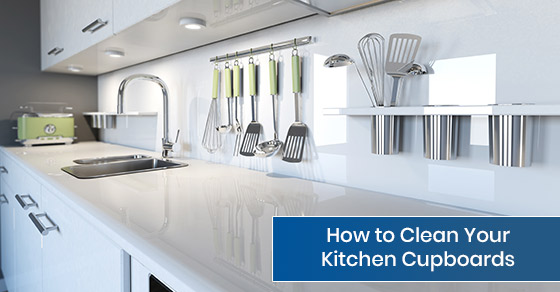
How to Clean Your Kitchen Cupboards

You know better than anyone that kitchen cupboards can get dirty fast. Often you make spills you don’t even notice, and the constant cooking sends all kinds of greasy gunk into the air that eventually land on your kitchen surfaces.

Kitchen cupboard cleaning

While we all tend to wipe down our counters several times a day, our kitchen cupboards are a little neglected. And it isn’t just the cabinet fronts that suffer. Drawers and the inside of your kitchen cupboards can also collect crumbs and other forms of kitchen dirt.

All of these issues are not only unsanitary but can attract pests. If you want to keep on top of all that grime, grease, and food grunge, you need to know how to keep your kitchen cupboards clean. Here’s our pro tips for spic and span, beautiful kitchen cupboards.

How Often You Should Clean

Keeping on top of the greasy, grimy build-up will make cleaning easier. Other than trying to pay attention to what messes you are making while you cook, you should be cleaning your cupboards every few weeks. This would include a basic wipe down to remove surface dirt and then a harder rub-down for stubborn, grimier build up.

Unfortunately, you also have to pay attention to the interior of all your kitchen storage, and this should be done every few months. Think of it as a seasonal job you can tackle 4 times a year. This requires taking everything out of drawers and off shelves for a thorough cleaning. Choose a time when you’ve loaded up the dishwasher, as this will make the job easier. Just about every surface can be cleaned using the following tips.

Use mild dish detergent and warm water applied to a clean, soft cloth to wipe down your cabinet surfaces. Always be sure to wring out the cloth after each dip of the soap mixture to reduce dampness. Be sure to get into the hinges, as well as the corners and nooks of your doors and drawer fronts.

Rinse the doors and sideboards with clear, warm water immediately after using the soap and water and dry with a separate dry, soft cloth. Do this door by door so the soap is not left on too long.

Greasier, stickier stains can be tackled with a natural solution of 1-part white vinegar and 2 parts hot water. Use a clean cloth and soak it in the solution, wring out the cloth, and apply pressure to the stain to wipe it away. Dry with a clean, soft cloth.

For even stickier messes, you can try using undiluted white vinegar, and more elbow grease to get the stain off. In this case, you have to rinse the area with clean water and wipe with a dry, clean cloth.

Grease and grime can be very stubborn and require a bit of abrasion to be wiped away. A safe bet is to use a mixture of white vinegar and baking soda made into a paste. Before going crazy with the mixture, test the inside of the door first to look for signs if it’s damaging the surface.

Use a warm, barely damp cloth and a touch of the paste, and apply the paste to the greasy area. Let it sit a few minutes before gently rubbing the area with a damp cloth or sponge. If it still doesn’t budge, try using a soft, nylon brush. Rinse away the paste with clean water and dry with a soft cloth.

Avoid using anything that can damage the surface as all cabinets will be easily scratched with abrasive cleaners and scouring pads as well as strong detergents.

Interior Cleaning Tips

Every few months, the interior of your cabinets need a deep-clean. Empty out each cabinet, starting with the highest cabinets first and work your way down. If the shelving paper is damaged or yellowing, remove it and then use a vacuum to remove crumbs and dust using your hose attachment.

If you don’t have the hose attachment, brush crumbs away with a microfibre cloth. Wash the shelves with warm water and dish soap, then rinse with clean water and a fresh cloth. Wipe everything dry and add new shelving paper.

Proper Cleaning Products for the Job

The main challenge for kitchen cabinets is that each type of cabinet requires special considerations. You don’t want to inadvertently damage the surface over time.

While it might seem easy to identify wood surfaces, in some cases, you might not realize what you thought was wood is actually a laminate or faux wood surface. Other surfaces can include paint, glass or even mirrored fronts, laminates, plastics, metals and more.

Here are the most common finishes and special considerations when using our basic 101 cleaning instructions:

1. Wood

You can use the basic 101 cleaning instructions for wood, paying careful attention to avoid using strong detergents or abrasive cleaners such as scouring pads, as harsh cleaners and cleaning pads with abrasive surfaces will damage the finish of the wood.

2. Paint

Painted cupboards must be wiped dry with a soft cloth to avoid water spots from forming. No air drying allowed! Also, don’t apply liquid waxes, as instead of protecting, they can actually act as a paint remover. Citrus oils can also cause damage to painted surfaces.

3. Laminate

Because laminate cupboards have seams, you will have to use a toothbrush to remove and lift dirt from the crevices. Be careful to wipe these areas down with a dry cloth as if moisture is left; it can cause the particle board beneath the laminate to swell and permanently damage your cupboards. In general, keep the amount of liquid you apply to your cupboards limited.

4. Metal

You can use rubbing alcohol to wipe away grimy, greasy build-up on metal cabinets using a soft cloth and a circular motion to remove the dirt. If you notice rust spots, rub them gently with extra-fine steel wool being very gentle, so you don’t leave scratch marks.

A blow dryer should be used after rust removal to dry the spot thoroughly, as well as to dry areas such as hinges where water can hide. After any cleaning, wipe away remaining wetness with a dry cloth or rust can form.

5. Glass

If you spill something on your glass fronts, or you spot dried food, soapy water and a wet sponge should be used first to remove the spots. You can then rinse and wipe away the dampness with a dry cloth and then apply a streak-free window cleaner or natural cleaner with equal parts water and vinegar.

Usually, your glass fronts have a wood frame, so remember to follow the wood instructions for these areas. If using streak-free cleaners, wipe any overspray off the wood frames, immediately stop to avoid and further damage.

If you have mullions — decorative wood slats — within the glassed area, your best bet is to spray the cleaner directly onto your cleaning cloth, instead of spraying the window.

These tips will keep your kitchen sparkling clean while helping your cupboards last longer.

To learn more about how to clean your kitchen cupboards, call Maid4Condos at 647-822-0601 or contact us here.

Allergy Season: Is Dust Making It Worse?

Dusting is a bore and something people often overlook during cleaning. Unfortunately, dust is an irritant that can make allergy sufferers see worsening symptoms and leave people without allergies feeling like they have caught a spring cold.

Dust allergy issues and cleaning

The bottom line is that every home has dust and just about every person, not to mention a dog or cat, is prone to some form of irritation when surrounded by dust.

Studies have shown that dust contains far more irritants than you might think. From pollen, dead skin cells, and animal dander, to potentially hazardous chemicals such as flame retardants used on furniture and plastics used in your electronics. Even your cleaning products can leave behind chemical residues, such as phenols.

The only way to help reduce allergy symptoms in the home is to make sure you are dusting regularly. However, there is a right way and a wrong way to dust. Here are some tips to help reduce the dust in your home and hopefully also reduce your allergy symptoms.

Dust from the Top Down

Most people focus on dusting the surfaces in their homes, such as desks, tabletops, and other hard surfaces, such as their floors. However, there are many sources of dust found above your living space that require your attention first.

Whether it is the blades of your ceiling fans and light fixtures or the cobwebs that are forming along with your ceiling, sources of dust from above keep more dust on your surfaces below. That’s why you have that funny little dust brush on your vacuum cleaner. Use this to tackle the upper dust sources before dusting and vacuuming below. This will help avoid dust from continuously falling from above.

If you already dust the upper area of your space, just make sure you are cleaning it first. If you don’t have a vacuum, you can use a spritz of three parts water and one-part vinegar and a microfibre cloth to wipe away dust particles. Wash the cloth on the hot cycle with a few teaspoons of vinegar to kill allergens.

Continue your dusting efforts using a microfibre cloth as they are the best cleaning tool to collect and contain dust. Once a week, you should be wiping down your surfaces — twice if you are a serious allergy sufferer — to keep dust to a minimum. You should then vacuum or clean floors once a week after dusting your surfaces.

Understand Your Vacuum Attachments

Vacuums are great for dusting, but most people have no idea of how to use the various attachments that come with their vacuum. There is a soft brush attachment ideal for use on walls, ceiling edges, and things like light fixtures and ceiling fans. This can also be used on things such as window blinds.

There is also a long, plastic “hose” that has a very narrow end allowing you to tuck into those corners and spots like window sills and under beds, as well as along baseboards and behind furniture. People with allergies should always opt for a vacuum cleaner that has a HEPA filter to trap dust particles.

Don’t Forget Window Treatments

The soft-brush attachment on your vacuum is ideal to keep your window treatments dust free. As mentioned above, take the hose to your windowsill and along the nooks and crannies of window frames. You should be professionally cleaning your drapes every spring and fall.

If you have serious allergies or are a smoker, do it every season. Look for a dry cleaner that uses green cleaning processes to reduce chemicals in your home.

Clean Upholstered Furniture

Your sofa and upholstered chairs should be cleaned for dust once a week. You can use your upholstery tool on the vacuum, but if you have pets, you can also use a rubber glove and rub your hand across the entire surface. The rubber acts like a magnet for pet hair and dander.

Dust Your Bookshelves

If you are an avid reader, you want to care for your books and keep your shelves clean. Books can be wiped down on the tops using the soft brush on your vacuum every season. Every few weeks, books should be pulled out in manageable numbers so you can get at the dust behind them on the shelves. Your microfibre cloth will be perfect for this job.

Wipe Down Plants

Plants tend to get a dusty build-up, which can actually affect their health. The more dust they have on their leaves and fronds, the less sun they get. A nifty trick for cleaning plants is to take them outside and use a keyboard compressed air cleaner to remove dust gently. Then, wipe leaves down with a damp cloth to remove the remaining dirt. Avoid spritzing plants as this can lead to mould growth.

Clean Floors Weekly

After you have dusted everywhere else, use a mop to clean your floors. Start by wiping down baseboards using a dryer sheet, as they can help keep dust at bay thanks to their anti-static formula. You can then clean your floors using a clean mop and preferably a natural household floor cleaner.

Choose Smart Cleaning Products

Choose natural cleaning products, or consider making your own, as most cleaning products contain irritants that can make allergies worse. This includes cleaners with fragrances, even fragrances that seem natural like lemon, as these often contain phthalates.

Electronics

Your trusty microfibre cloth can do the trick for electronics as they collect dust effectively and are smooth. This means you don’t put your screens and other surfaces at risk for scratches.

Reduce Dust

Follow these tips to reduce dust:

  • Keep your windows closed, as this allows dust and pollen to come into your home
  • Use doormats so people can wipe their feet when they enter the home and shake them out every few months, so people aren’t collecting more dirt when they wipe their feet
  • Brush and bathe your pet to reduce pet dander and hair/fur loss. Speak to your vet for tips on the best way to keep your pet clean
  • Change your air filters for your furnace at least every few months and choose HEPA filters to collect allergens

These dusting tips will help keep allergens in your home to a minimum. If you find cleaning is overlooked due to your busy lifestyle, a home cleaning service should be used at least once a month to keep dust under control.

To learn more about keeping your home free of allergen-causing dust, call Maid4Condos at 647-822-0601 or contact us here.