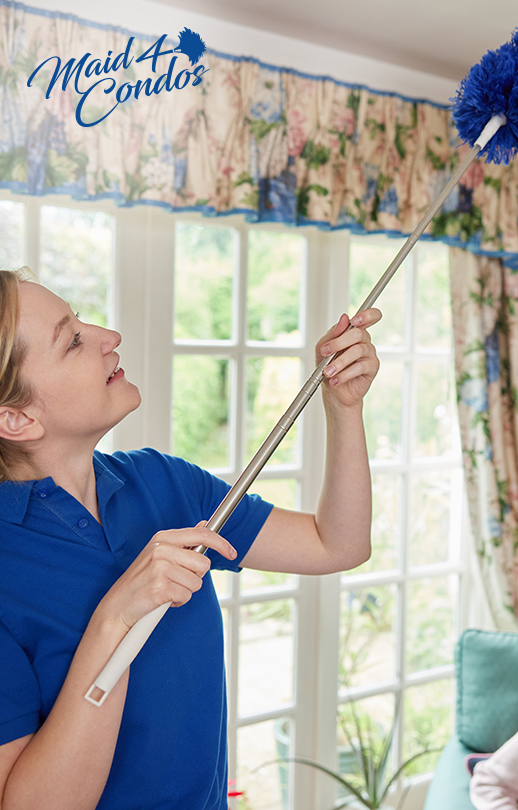
Keeping a home clean can become more demanding as mobility, stamina, vision, or health needs change. Tasks that once felt routine, such as reaching high surfaces or moving furniture, may take longer or create unnecessary safety concerns.
There isn’t one schedule that suits every senior in Toronto or the GTA. Home size, household activity, available support, pets, and regular cleaning habits all affect how quickly dust and grime accumulate. The following guidelines provide a practical starting point, along with signs that a home may need attention sooner.

A Practical Deep Cleaning Schedule for Seniors
Many seniors can begin with a seasonal deep clean and adjust the timing as their needs change. A deep clean every three to six months is a useful planning framework, not a medical recommendation or a rigid household rule.
Deep cleaning also serves a different purpose from weekly or bi-weekly maintenance. Routine cleaning manages frequently used surfaces, floors, kitchens, and bathrooms. A deep clean addresses accumulated dirt and areas that are easier to overlook, including baseboards, window ledges, fan covers, and spaces beneath furniture.
Start With a Deep Clean Every Three to Six Months
For a home that receives consistent routine cleaning, scheduling a deep clean every three to six months is often manageable. Some families arrange it by season, such as in spring and fall, while others book quarterly visits.
Toronto winters may justify an extra visit. Road salt, moisture, grit, and debris can collect around entryways and high-traffic floors. Homes receiving weekly or bi-weekly house cleaning services may stay manageable longer, but the schedule should be shortened when dust, odours, grime, or hard-to-reach buildup appears sooner.
Schedule More Frequent Cleaning for Health Sensitivities
Dust often gathers on vents, ceiling fan covers, upholstered furniture, baseboards, window ledges, and beneath furniture. Seasonal pollen, indoor heating, open windows, and urban dust can also affect how quickly these areas need attention.
Seniors with allergies, asthma, respiratory concerns, or dust sensitivities may prefer more frequent cleaning of high-accumulation areas. Cleaning can support a more comfortable home environment, but it doesn’t treat or prevent a medical condition. When health needs affect cleaning requirements, follow guidance from a qualified healthcare professional.
Adjust the Schedule for Mobility and Safety Challenges
Limited balance, strength, reach, or endurance can make bending, climbing, lifting, and moving furniture unsafe. A spill, slippery floor, obstructed walking path, or unstable pile of belongings should be addressed immediately rather than left until the next scheduled deep clean.
Professional cleaners can handle physically demanding household tasks. Senior home care may provide personal or daily living support, but it isn’t interchangeable with a cleaning service. Families should identify which type of help is needed and avoid asking seniors to complete tasks that put them at risk.
Deep Clean More Often in Busy Toronto and GTA Homes
Pets, frequent visitors, shared living arrangements, heavy cooking, open windows, and nearby construction can all increase cleaning needs. Kitchens, bathrooms, entryways, and living rooms usually collect debris faster than low-use rooms.
A senior living alone in a Toronto condo may need a different schedule than someone in a larger GTA home or multigenerational household. Condo corridors, elevators, underground parking, road salt, and city dust may also contribute to tracked-in dirt. Review the schedule after renovations, extended guests, illness recovery, or a long break in regular cleaning.
Use Visible Warning Signs Instead of Relying Only on Dates
A calendar helps, but the condition of the home is more important. Signs that a deep clean may be due include:
- Dust returning soon after routine cleaning
- Grime around fixtures or along baseboards
- Persistent odours or visible stains
- Buildup behind toilets, appliances, or furniture
- Dust on fan covers and window ledges
- Routine cleaning repeatedly going unfinished
A simple monthly walkthrough can help seniors, relatives, or caregivers notice gradual changes. Entryways and floors deserve extra attention during wet, snowy, or salt-heavy Toronto weather.
Pair Deep Cleaning With Regular House Cleaning Services
A deep clean creates a stronger baseline. Routine cleaning helps keep everyday dirt and clutter from building up again.
A workable plan might include weekly or bi-weekly cleaning, a monthly check of neglected areas, and a deep clean every three to six months. Keep the routine simple when a complicated schedule would be difficult to manage. Responsibilities can also be divided among the senior, family members, caregivers, and cleaning professionals.
| Cleaning type | Example tasks | Suggested frequency |
|---|---|---|
| Routine cleaning | Bathrooms, kitchen counters, visible floors and waste | Weekly or bi-weekly |
| Household check | Walking paths, spills, clutter and neglected areas | Monthly |
| Deep cleaning | Baseboards, ledges, fan covers and spaces under furniture | Every three to six months |
Which Areas Should a Toronto Senior’s Deep Clean Prioritize?
A deep clean doesn’t need to treat every room as equally urgent. Start with the areas that affect everyday comfort, access, and safety: bathrooms, kitchens, floors, entryways, walking paths, and frequently touched surfaces.
Commonly missed areas include baseboards, window ledges, fan covers, window tracks, and spaces under or behind furniture. Laundry rooms also need attention, particularly floors, dryer lint traps, and air vents. In Toronto homes, salt-stained entryways, condo balconies, and surfaces affected by urban dust may need added time.
A room-by-room priority list can keep the visit focused. Consider where the senior spends the most time, which areas are hardest to maintain, and whether any surface or pathway needs prompt attention.
When Seniors May Need Professional Cleaning Help
Professional support may be useful when cleaning requires heavy lifting, prolonged bending, climbing, furniture movement, or tackling a significant backlog. Repeatedly postponed chores, worsening clutter, inaccessible surfaces, and caregiver strain may also show that family help is no longer enough.
Include the senior in decisions about timing, privacy, priorities, and special considerations. Before the visit, tell the cleaning provider about pets, mobility equipment, fragile belongings, restricted rooms, building access, and surfaces requiring special care.
Toronto condo residents may also need to arrange parking, elevator reservations, concierge instructions, or key access. Professional cleaning supports household upkeep, but it doesn’t replace medical care, personal care, or broader senior home care services.
Build a Deep Cleaning House Plan for Safer Aging in Toronto
A three-to-six-month schedule is a practical starting point, but the right frequency depends on mobility, health considerations, household activity, home type, and routine maintenance. Seniors living in condos, apartments, townhomes, and detached homes may all require different plans. Reassess the deep cleaning house schedule whenever abilities, living arrangements, seasons, or support needs change.
Maid4Condos offers deep-cleaning services for seniors and families across Toronto and the GTA.
Reach out to Maid4Condos today at 1-647-822-0601, email us at info@maid4condos.com or click here to get in touch online.
Frequently Asked Questions
How Is Deep Cleaning Different From Routine House Cleaning?
Routine cleaning maintains frequently used areas, including counters, floors, bathrooms, and kitchen surfaces. Deep cleaning addresses accumulated dirt and commonly skipped areas, such as baseboards, fan covers, window ledges, spaces behind furniture, and detailed bathroom or kitchen surfaces.
Should Every Toronto Senior Follow the Same Deep-Cleaning Schedule?
No. Frequency should reflect the senior’s mobility, health sensitivities, household activity, pets, home size, and regular cleaning support. Every three to six months is a planning baseline rather than a universal requirement.
A Toronto condo and a larger GTA home may collect dirt differently. Immediate concerns, including spills or obstructed walking paths, should be handled when noticed instead of waiting for a scheduled visit.
Can Family Members Help Seniors Maintain Their Homes Between Deep Cleans?
Family members can remove light clutter, wipe spills, change bedding, take out waste, and check that walking paths remain clear. Assigning responsibilities helps prevent important tasks from being missed or duplicated.
Relatives should avoid work that creates a fall, lifting, or chemical-handling risk. Toronto house cleaning services can supplement family support when relatives live far away or have limited availability.
What Should Toronto Seniors Do Before a Professional Deep-Cleaning Visit?
Identify priority rooms, secure valuables, share access instructions, and point out fragile items or surfaces needing special care. Light personal belongings may be cleared when it’s safe, but seniors shouldn’t lift furniture or complete strenuous preparation.
The provider should also know about pets, mobility equipment, restricted spaces, and building requirements. Condo residents may need to arrange parking, concierge access, elevator reservations, or other entry procedures.
How Can Seniors Tell Whether They Need Cleaning Help More Often?
Recurring dust, persistent odours, quickly returning grime, blocked walking paths, and unfinished routine tasks can all indicate that the current schedule needs to change. Changes in stamina, balance, vision, or available household support may also justify more frequent help.
A monthly review with a trusted relative, caregiver, or cleaning provider can make changes easier to notice. Winter salt, wet footwear, seasonal pollen, construction, and city dust may further increase cleaning needs in Toronto and the GTA.
Share , Like & Engage On Social Media: